
Reseller guide
Pallet types: read the offer and choose a guide
A liquidation offer names goods a business is clearing out, often as a pallet or truckload. Its title can mix four things: where the goods came from, how they're packed, what's inside and their condition. Read each part on its own before you decide what to buy.
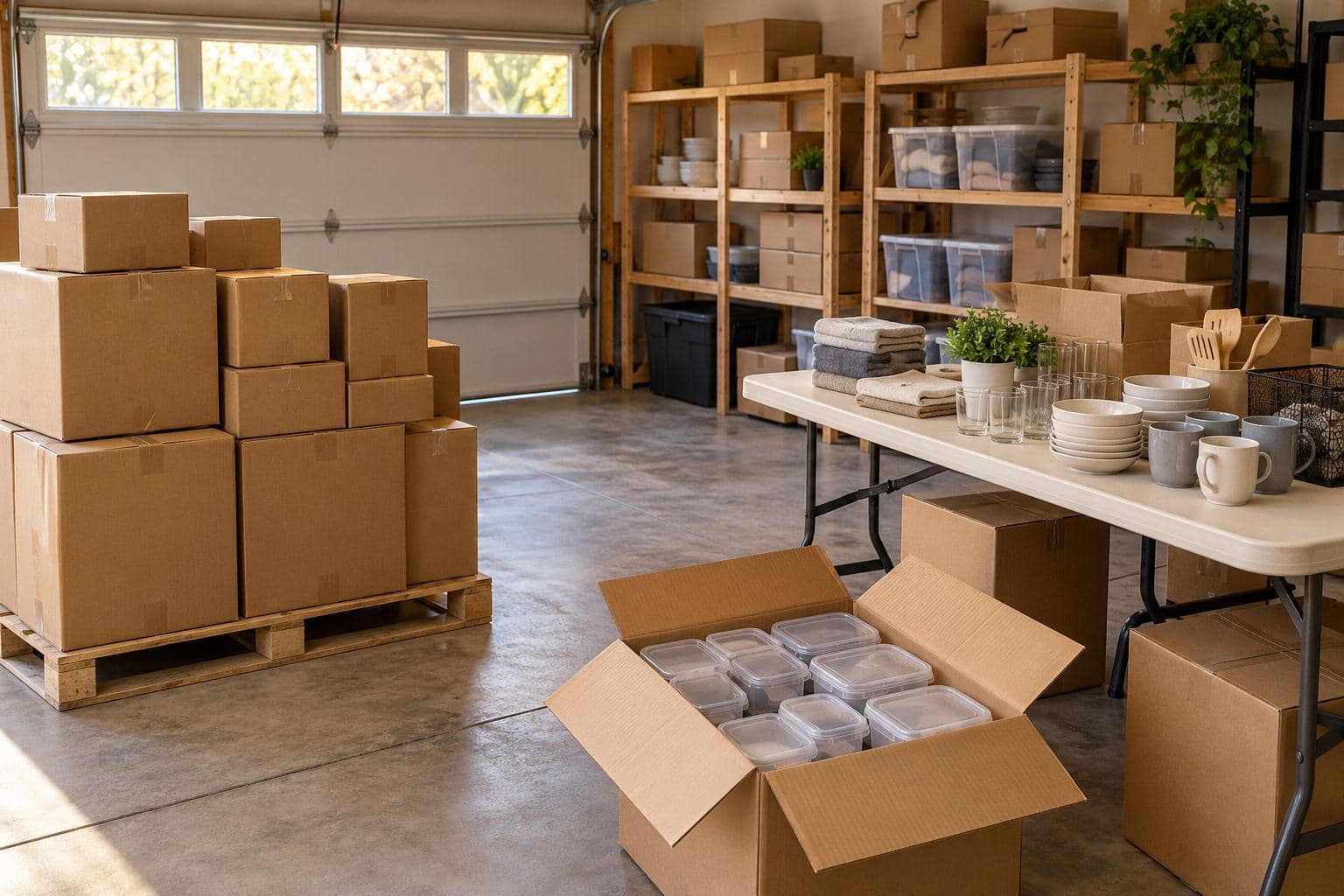
The source is where the goods are said to have come from. A retailer's name may point to store stock or online returns, goods shoppers sent back. Ask who owns the stock and who is selling it now. A source name won't tell you what each item needs before resale.
The format and size tell you how goods are grouped and how much you'll need to handle. A pallet is a flat base used to move goods; sellers also use the word for the goods packed on it. A case pack holds repeated units of one product. A truckload is a shipment at truck scale, with no fixed pallet count. Ask for packed size, weight and counts of complete items as well as boxes.
The category is the kind of goods inside, such as clothing, tools or home goods. A mixed pallet can span several categories. Check the manifest, the seller's item list, for names and counts. Ask what the seller leaves out and whether the photos show your actual stock.
The condition describes the state of the goods or their boxes. Overstock means excess stock; customer returns have been sent back by buyers. Neither tells you whether every item works or has all its parts. Read the seller's full condition rules and any stated tests.
Two sellers can use the same name for different goods. Read the offer, manifest and terms together, and get unclear claims settled in writing. Use the groups below to find the guide for the part of the offer you need to check.
By where it came from
#These names describe a claimed source or a business program; check the seller and the goods separately.
- Amazon buying routes: Amazon-origin goods can reach buyers through an official auction site or a business reselling them.
- Amazon LPN pallets: LPN means License Plate Number, an Amazon unit-tracking code that gives no condition grade on its own.
- Amazon medium truckloads: Sellers use mediums for their own groups of mid-size Amazon-origin goods.
- Amazon monster truckloads: Monster is a seller's name for tall mixed pallets said to hold Amazon-origin goods.
- Amazon high-piece-count truckloads: High piece count, or HPC, describes many units, often small goods, with counts set by the seller.
- Walmart pallets and truckloads: Walmart-origin offers vary in product mix, condition and shipping terms.
- Walmart medium truckloads: Walmart mediums can span returns and excess stock, so the size label needs its own condition details.
- Target pallets and truckloads: Target-origin offers can include repeated products or mixed goods under the terms for that sale.
- Target general merchandise: General merchandise, or GM, means a mix of product types, and some Target-labelled programs remove clothing.
- 3PL pallets and truckloads: A third-party logistics firm stores or ships goods for other businesses, so check ownership and selling rights.
- Bass Pro-labelled pallets: These are third-party offers using the retailer's name; no official retailer program was verified.
By what's inside
#Start with the goods you'll need to sort, check and store.
- Home goods: Kitchenware, decor, bedding and storage name a product category, separate from the HomeGoods store brand.
- Electronics: Devices need checks for function, batteries, stored data and account locks.
- Sporting goods: Sports and outdoor stock can include protective gear that needs safety checks beyond looks.
- Appliances: Small and large household machines need different space, service and disposal plans.
- Furniture: Built pieces and kits need checks for parts, structure and any rules for used bedding or padded seats.
- Stacked furniture: Furniture packed together on pallets needs safe handling and a count of complete pieces across all their boxes.
- Apparel: Clothing and shoes need sorting by size, season, tags and condition, including matched shoe pairs.
- Tools and home improvement: Tools and repair goods need checks for guards, parts, batteries and the right chargers.
- Health and beauty: Cosmetics and personal-care goods need checks for seals, dates and sale rules before listing.
- Generic merchandise: Some sellers mean unbranded or little-known-brand goods by generics; others mean mixed product types.
- Target general merchandise: The mix can include clothing or have it removed, depending on the seller's program.
By format and size
#These labels help you plan counts and space, but you'll still need the offer's condition details.
- Case packs: Repeated units of one item can sit in nested packs and cartons, so check the count at each level.
- High piece count: Many small pieces need sorting into complete products or retail packs before you count sale stock.
- Amazon mediums: Mid-size is seller shorthand, so ask for the actual packed size and mix.
- Walmart mediums: Different programs use this size label for different goods and conditions.
- Monsters: Tall mixed pallets need height checks, safe unpacking space and suitable moving equipment.
- Amazon truckloads: Buying at truck scale means checking the exact shipping program and how the goods will leave the trailer.
- Clear-wrap premium pallets: Clear film shows exposed surfaces, while premium is a seller's claim that needs written criteria.
- Mystery or unmanifested pallets: Without a full item list, you can't check each product's identity, count or condition before buying.
For your first purchase, use the step-by-step starting guide to plan buying, receipt and sales, and keep the glossary handy for trade words you haven't met yet.
Updated
More guides
- Sporting goods liquidation pallets: sets and safety
Check sporting goods pallets for complete sets, sizes, bike assembly and protective-equipment history before planning storage, transport and resale.
- Stacked furniture truckloads: parts, space and handling
Check stacked furniture liquidation truckloads for complete pieces, matching cartons and hardware. Plan safe heavy-item handling, storage and pickup.
- Target general merchandise pallets: raw and processed
Understand Target GM pallets, raw versus processed assortments and changing exclusions before checking condition, missing parts and resale restrictions.
- Target liquidation pallets: contents, contracts and costs
Compare Target liquidation pallets and truckloads by assortment, condition and quantities. Check resale-advertising restrictions, freight and costs.