
Reseller guide
Amazon high-piece-count truckloads: counting and sorting
Amazon high-piece-count truckloads contain many pieces, often small goods. Ask what counts as one piece, then plan how you'll identify, check and move resale units. Count complete, sellable units before relying on large piece counts.
What high piece count means in an offer
#As of October 2026, a bin-store truckload ad says “9,000+ ITEMS” and “MOSTLY OVERSTOCK.” It describes smaller retail products. Overstock means excess stock. High piece count, or HPC, has no shared minimum count or condition rule.
LPN means License Plate Number, an Amazon code used to track a unit. The LPN pallet guide explains what to check when buying those goods.
Currently, Amazon's US auction FAQ lists sortable (smaller goods), non-sortable (larger or heavier goods) and AMXL (large, heavy or bulky goods) formats. It sets no shared HPC count. Confirm what the listing's short name means, which goods it includes and their condition.
Check size and count: small products need sorting space; tall pallets need safe handling. The monster truckload guide covers tall pallets.
What the small-item assortment can contain
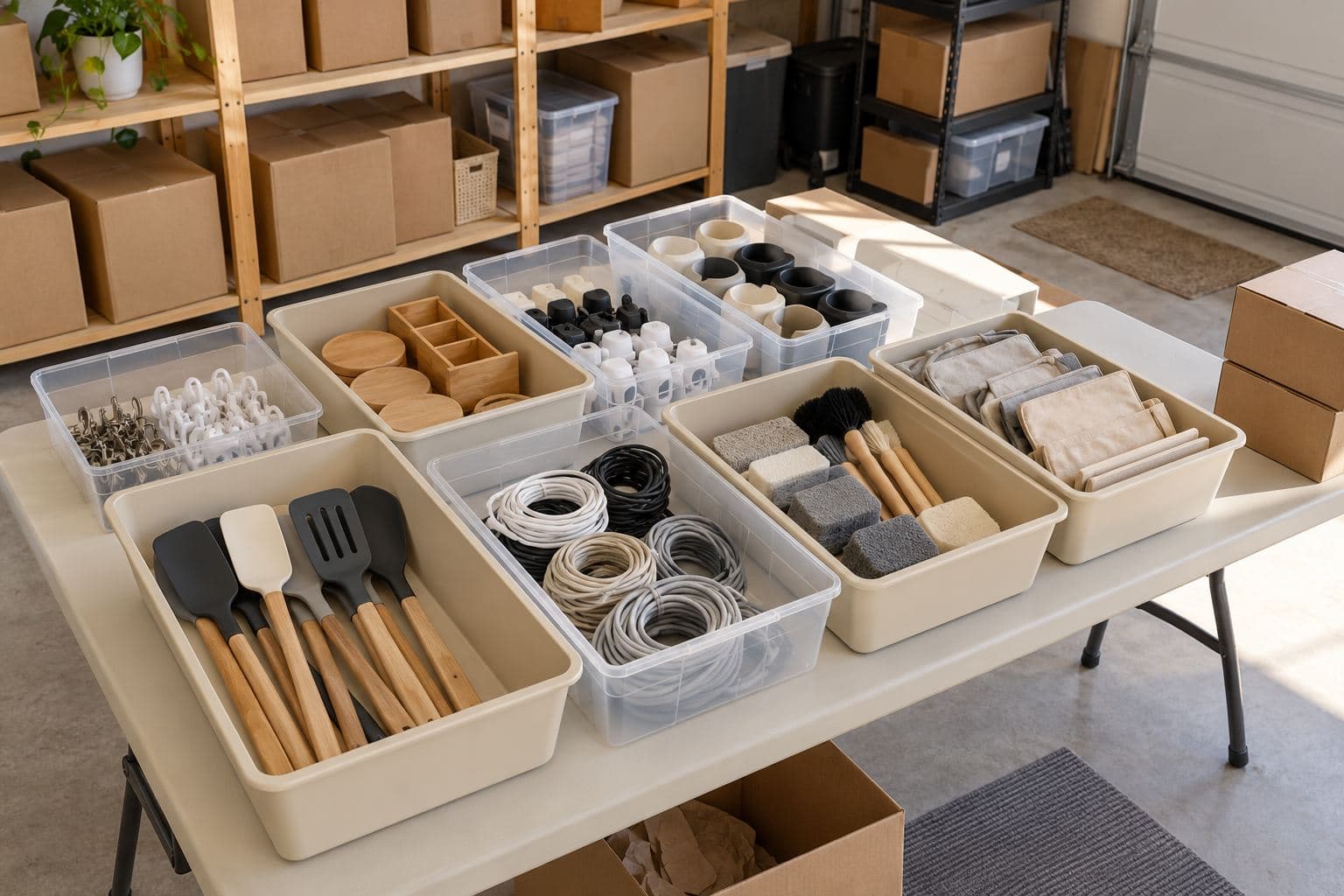
#The bin-store offer lists 24 pallets with about 9,000-plus items: phone accessories, health and beauty products, kitchen gadgets, toys, personal care, household accessories and electronics accessories. Photos are samples; confirm your shipment's contents.
Ask about repeated goods, versions and incomplete sets. Similar phone cases might fit different devices; one bag of parts may belong to one product. Confirm identity and sale format before counting complete resale units.
Track repeated-stock counts and separate notes for unique returns (goods sent back by buyers). Group matching models, parts and condition. The case-pack guide covers repeated products packed in cases; the manifest guide explains the manifest, a seller's stock list.
Questions to ask before you bid
#Ask the seller:
- What does one piece mean: a complete retail product, a multipack (several units in one retail pack), a loose part or a package?
- Is the count an estimate or a checked count, and does a manifest list products and counts?
- What does mostly overstock include besides overstock?
- Are food, cosmetics, medical products or other goods with resale limits included or left out?
- Have goods been opened, inspected, tested or processed in other ways?
- What freight (shipping), taxes, extra charges and rules for reporting count or condition errors apply?
Get a written offer showing stock and freight charges.
Decide where you'll sell single items, same-product bundles or bin goods before buying. A bundle groups units in one sale. Check the site's current rules for unopened packs.
Check who bills you and which contract applies with the supplier-vetting guide. Confirm sales-tax rules and resale paperwork with the relevant authority. Plan sales beyond the seller's retail-reference total, the sum of its retail-price figures.
What to check on arrival
#Count shipping units and photograph damage before opening cartons. Keep the offer, invoice and delivery evidence together. Follow contract steps and deadlines for errors; count items apart from pallets on shipping papers.
Compare offered pieces, received units and complete resale units. Check model, condition, recalls and sales rules even with clean packing.
Made-up counting example: You receive 100 bags listed as pieces, each holding two matching complete cable clips for single-unit sale: 100 × 2 = 200 potential resale units. Offer each two-clip bag as one retail pack and you have 100 resale units.
Sort known goods; keep unknowns apart. Keep fit notes with accessories and needed model, batch and expiry details. Exclude customer details from public photos; count damaged or incomplete units apart from intact duplicates.
What to test and screen first
#Only test what you can test safely. Don't test swollen or damaged batteries, damaged cords, gas appliances or anything recalled. Search CPSC recalls for the product and follow the maker's safety instructions. The CPSC online seller FAQ calls for stock inspection and recall checks.
Screen health, beauty and personal-care goods before sale bins. Currently, §7.1 of Amazon's purchase contract requires destruction of specified topical (applied to the body), consumable (consumed) and biohazard-contact products (in contact with biological hazards) with broken factory seals or signs of opening or use. They can't be resold under that rule. Check your contract.
Check parts and fit against the maker's specs when needed, including a cable's rating or an accessory's fit. Keep goods with unresolved ID or safety questions out of the sellable count.
Record each unit's checks. “Powers on; other functions untested” describes a partial check on powered goods. Check matching products one by one, even if a sample works. The inspection and testing guide covers records.
Space, handling and moving numerous small items
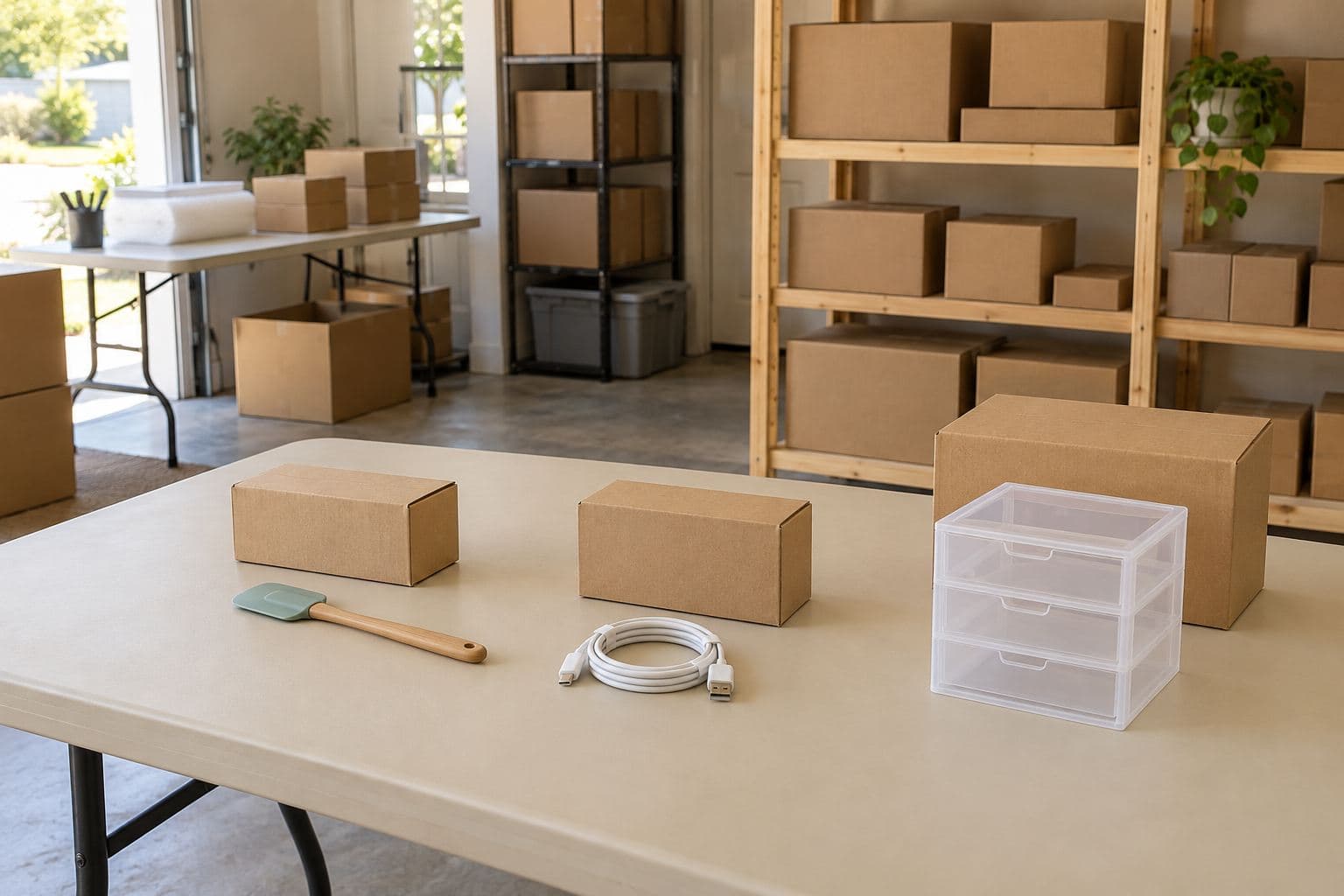
#Record where each group sits in shallow bins. Keep loose parts apart so matching accessories and complete sets stay together. Leave a clear table for identifying goods and photos.
Inspect and list a batch that fits your space before opening more. Track each stage and actual sales. Plan the next purchase from your own work records; don't assume a shared items-per-hour rate.
Single-item listings need photos, condition notes and suitable packing; same-product bundles need exact counts and clear descriptions. Screen bin goods for safety and resale rules before buyers see them, even at low asking prices.
Currently, Whatnot's prohibited-items policy bans selling or giving away items unknown to the seller, including unclaimed and unopened packages. Find out what's inside before offering it. The Whatnot selling guide covers preparation.
Deduct all bundle units or one for a single sale. Base asking prices on the exact product and costs; record actual payments separately. Use the pricing guide for comparisons. Check retailer-name contract limits before mentioning Amazon in ads.
How the cost works
#Example with made-up numbers: You pay $1,000 for stock, $400 for inbound freight (shipping to you) and $100 in purchase sales tax. You have 500 complete units that can be resold.
| Calculation | Arithmetic |
|---|---|
| Total buying cost | $1,000 + $400 + $100 = $1,500 |
| Cost split evenly per sellable unit | $1,500 ÷ 500 = $3 |
| Break-even receipts with $500 in extra costs | $1,500 + $500 = $2,000 |
| Average receipts needed if all 500 sell | $2,000 ÷ 500 = $4 |
With 400 sellable units, buying and inbound cost is $1,500 ÷ 400 = $3.75 per unit. Covering $2,000 through 400 sales takes $2,000 ÷ 400 = $5 per sale on average. Check what buyers will pay. Break-even means receipts cover costs. Include actual packing, selling fees and other costs in the pallet profit calculator. The landed-cost guide explains buying costs and shipping to your site. This guide is not legal, tax or financial advice.
Keeping sorted stock and the unsold remainder visible
#Track what's ready to list and what remains after sales. A notebook or spreadsheet works. PalletPro filters stock by listed, sold and to-list items and supports selling several units of one item, keeping repeated stock tied to its remaining count. See the app
How this guide was written
#This guide was compiled from the public sources listed below. Checked on October 1, 2026. PalletPro doesn't sell pallets and isn't affiliated with any retailer, liquidator or marketplace named.
Sources
#- Amazon High Piece Bin Store Truckload - Truckload Liquidations, no publication date shown (checked October 1, 2026)
- Amazon Liquidation Auctions FAQ - Amazon Liquidation Auctions / B-Stock (checked October 1, 2026)
- Recalls & Product Safety Warnings - US Consumer Product Safety Commission (checked October 1, 2026)
- Online Sellers Safety Guide FAQs - US Consumer Product Safety Commission (checked October 1, 2026)
- Amazon US terms of purchase - Amazon.com Services, LLC / B-Stock, January 29, 2026 (checked October 1, 2026)
- Prohibited or Restricted Items on Whatnot - Whatnot Help Center (checked October 1, 2026)
Updated
More guides
- Amazon LPN pallets: what to check before buying and selling
Read Amazon LPN pallet descriptions, inspect each item, keep accessories separate, and check buyer-contract restrictions before preparing your resale ads.
- Amazon medium truckloads: what the label means
Compare Amazon medium truckloads by the seller's definition, condition, count and freight terms, then plan space for receiving and testing the goods.
- Amazon monster truckloads: contents, space and safe handling
Compare Amazon monster truckload descriptions, confirm tall-pallet dimensions and condition, and plan receiving, inspection, storage and resale costs.
- Apparel liquidation pallets: sizes, tags and sorting
Learn what apparel pallets can include, how to check sizes, tags and shoe pairs, and how to count the pieces you can list before you price them.