
Reseller guide
Amazon LPN pallets: what to check before buying and selling
LPN stands for License Plate Number, an Amazon unit-tracking code. Check written contents and condition, then inspect each unit for use, missing parts and faults before pricing. The return-label guide explains the sticker; here, we'll cover buying and reselling LPN stock.
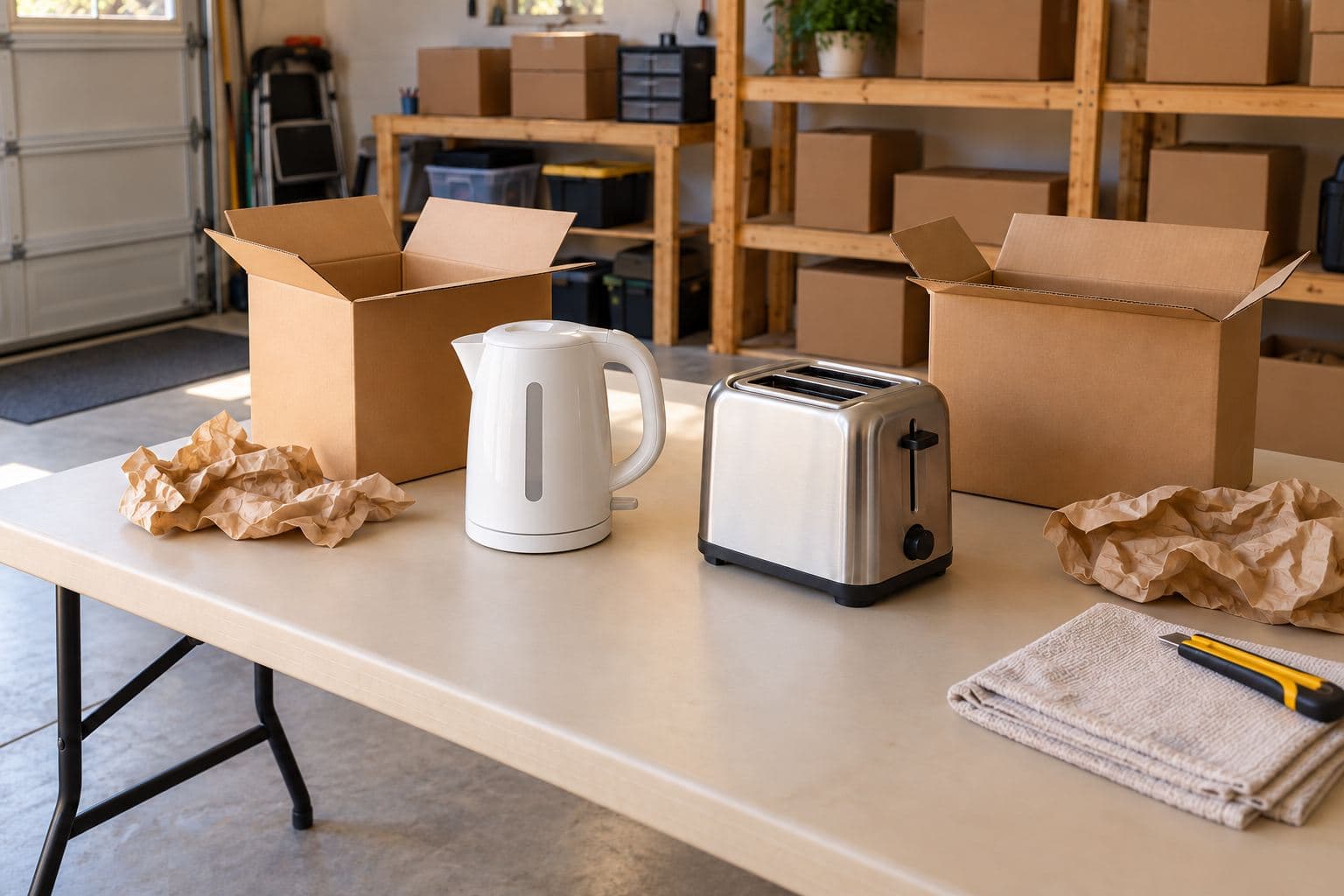
What sellers mean by an LPN pallet
#As of October 2026, Amazon's US auction FAQ lists “Overstock,” “Customer returns” and “Warehouse Damaged,” (goods harmed during warehouse handling) alongside sortable (smaller goods), non-sortable (larger or heavier goods) and AMXL (large, heavy or bulky goods) formats. Overstock means excess stock; customer returns are goods sent back by retail buyers. Ask which fields apply to your purchase. LPN isn't a condition grade.
Amazon uses LPNs to track selected FBA (Fulfillment by Amazon) products, as its Seller Forums explanation describes. FBA is Amazon's service for filling sellers' orders. Check each unit for prior use and faults. This UK explanation doesn't set US purchase rules.
Amazon staff links returned units to the seller's FBA Customer Returns report. That report is in the seller's account; it isn't a public lookup for buyers of these goods. Don't pay extra for a promise that the sticker reveals every item's return reason.
What the inventory description tells you
#High piece count means many pieces, often small items. The high-piece-count guide covers sorting them.
Check which goods the offer leaves out, its product count and its packing. Currently, Amazon's condition page separates product and packing condition. Mixed-product stock can include salvage (goods with major faults); open-box means opened or unsealed packing. Test the product even if its box looks clean.
Record box claims, contents and unknowns. Research the actual model for listing; check lookalikes' parts and functions separately.
Questions to ask before you bid
#Get these answers in writing for your purchase:
- Is LPN a program name here, and what does it include?
- Is there a manifest, the seller's stock list, with model numbers, counts and condition fields?
- Do the photos show these goods or sample stock?
- Have units been inspected or tested, and what did those checks cover?
- Does the offer address parts, customer data, locked devices or goods with resale limits?
- What's the delivered price, what do you need to receive it, and how do you report errors?
Currently, Amazon's US auction FAQ says you can't inspect goods before bidding there; other sellers may have different rules. If you can't inspect, check what the papers commit to and allow for unanswered questions before deciding.
Check who bills you and which contract applies, even if the goods came from Amazon. Read the supplier-vetting guide and manifest guide before payment. Confirm sales-tax and resale-certificate rules with the relevant authority. A resale certificate is paperwork for a purchase that qualifies for resale.
What to check on arrival
#Photograph wrapped pallets and damage before unpacking; count shipping units. Give each item your own ID to link photos, parts and notes. Report errors by the contract's deadline.
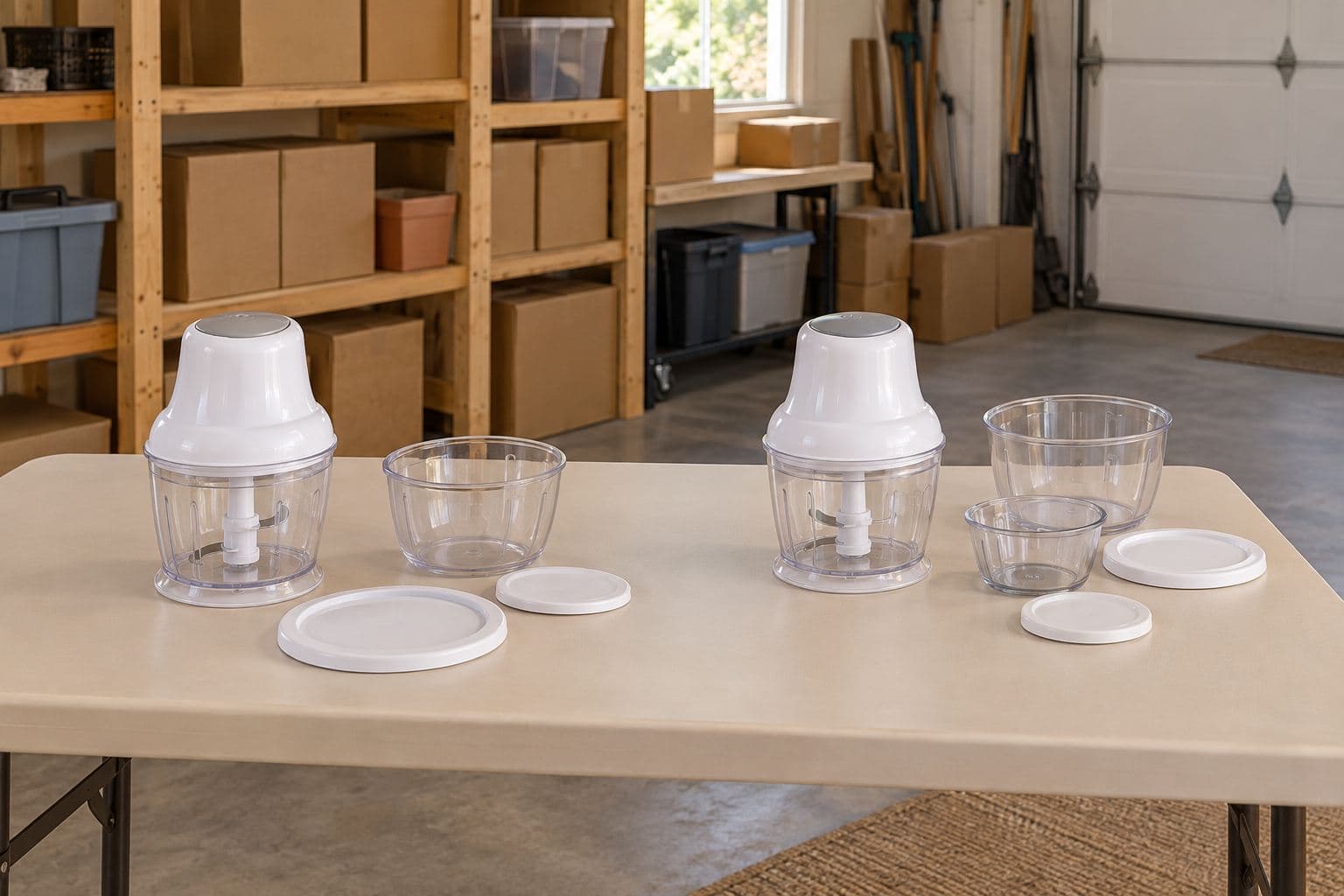
Match the maker's product ID to its box and keep the safety details. Use the right model's manual to check for missing bowls, lids, remotes, adapters or mounting parts. Check that loose parts fit before pairing them with a unit.
Made-up intake example: Your record number is UNIT-204, the box says countertop device, and the actual model is unconfirmed. You record one bowl; lid missing and Untested. These notes use no real label, customer data or seller layout and don't decode an LPN.
Photograph the actual product and faults for listings, keeping customer names, addresses and papers out of public images. Set unknown units aside with notes on model or part-fit questions.
What to test first
#Only test what you can test safely. Don't test swollen or damaged batteries, damaged cords, gas appliances or anything recalled. Identify the product, run a CPSC recall search and ask the maker about safe checks and any recall fix. Keep unknown models aside until you know what they are.
Before powering an item, check for missing safety parts, wrong adapters or a damaged housing that could make testing unsafe. Record each check. “Powers on; other functions untested” is a partial check; it doesn't qualify as “Tested — works.” Use “Not working” for a confirmed failure and note the fault.
Check hygiene and resale rules for goods that touch skin, food or bodily fluids before you count them as sellable. Check prior handling even if they look clean. The inspection guide keeps what you've checked apart from functions you haven't checked.
Currently, Amazon's purchase contract requires removal of customer details and secure data erasure. Follow its required steps to clear data and account-access issues before putting devices up for sale; check beyond a factory reset.
Space, handling and moving individual units
#Keep unopened stock, units awaiting checks and sale-ready items apart, with room for parts. Group lookalikes only when model, parts and condition match; photograph the right parts for each unit.
Use the confirmed product and observed condition in listings. Currently, eBay Product research gives sales data with condition and location filters. Match the model and parts; keep asking prices apart from completed sales. The pricing guide covers these checks.
Before writing ads, check retailer-name rules. Currently, §4.4 of Amazon's purchase contract bans Amazon references in buyers' sales activity and requires removal of retailer markings. Check your contract before using the name in ads. Get qualified advice if you're unsure how it applies.
How the cost works
#Example with made-up numbers: You pay $500 for stock, $200 for freight (shipping) and $100 in purchase sales tax. After inspection, 40 units can be sold.
| Calculation | Arithmetic |
|---|---|
| Total buying cost | $500 + $200 + $100 = $800 |
| Cost split evenly per sellable unit | $800 ÷ 40 = $20 |
| Break-even receipts with $200 of extra costs | $800 + $200 = $1,000 |
| Average receipts needed across 40 sales | $1,000 ÷ 40 = $25 |
If only 25 units can be sold, buying and freight cost plus tax becomes $800 ÷ 25 = $32 per unit. Price each item based on what it can bring, rather than this even split. Break-even means receipts cover costs. Include repairs and selling costs, and use your own figures in the pallet profit calculator. This guide is not legal, tax or financial advice.
Keeping lookalike returns attached to their records
#Keep separate photos and condition notes for lookalikes with different parts or checks. A notebook or spreadsheet works. PalletPro keeps photos with each stock item and prepares listing text from a template you copy and post yourself, so descriptions follow the inspected unit. See the app
How this guide was written
#This guide was compiled from the public sources listed below. Checked on October 1, 2026. PalletPro doesn't sell pallets and isn't affiliated with any retailer, liquidator or marketplace named.
Sources
#- Amazon Liquidation Auctions FAQ - Amazon Liquidation Auctions / B-Stock (checked October 1, 2026)
- LPN on Amazon FBA: What It Means for Your Shipments - Amazon Seller Forums, Kris_Amazon; exact publication date not shown (checked October 1, 2026)
- Where to find what the numbers mean on FBA return packing slip?? - Amazon Seller Forums, TaylorR_Amazon; exact publication date not shown (checked October 1, 2026)
- Product and packaging conditions - Amazon Liquidation Auctions / B-Stock (checked October 1, 2026)
- Recalls & Product Safety Warnings - US Consumer Product Safety Commission (checked October 1, 2026)
- Amazon US terms of purchase - Amazon.com Services, LLC / B-Stock, January 29, 2026 (checked October 1, 2026)
- Product research - eBay (checked October 1, 2026)
Updated
More guides
- Amazon medium truckloads: what the label means
Compare Amazon medium truckloads by the seller's definition, condition, count and freight terms, then plan space for receiving and testing the goods.
- Amazon monster truckloads: contents, space and safe handling
Compare Amazon monster truckload descriptions, confirm tall-pallet dimensions and condition, and plan receiving, inspection, storage and resale costs.
- Apparel liquidation pallets: sizes, tags and sorting
Learn what apparel pallets can include, how to check sizes, tags and shoe pairs, and how to count the pieces you can list before you price them.
- Appliance liquidation pallets and truckloads
Read appliance condition grades, plan safe inspection and professional testing, check warranty limits, and arrange delivery and lawful disposal.