
Reseller guide
Electronics liquidation pallets: testing and locks
Before buying electronics liquidation pallets, ask what's included, which tests were done and how the seller handles locked or incomplete devices. The label groups goods by type; you'll still need to check function, old accounts, private data and battery safety separately.
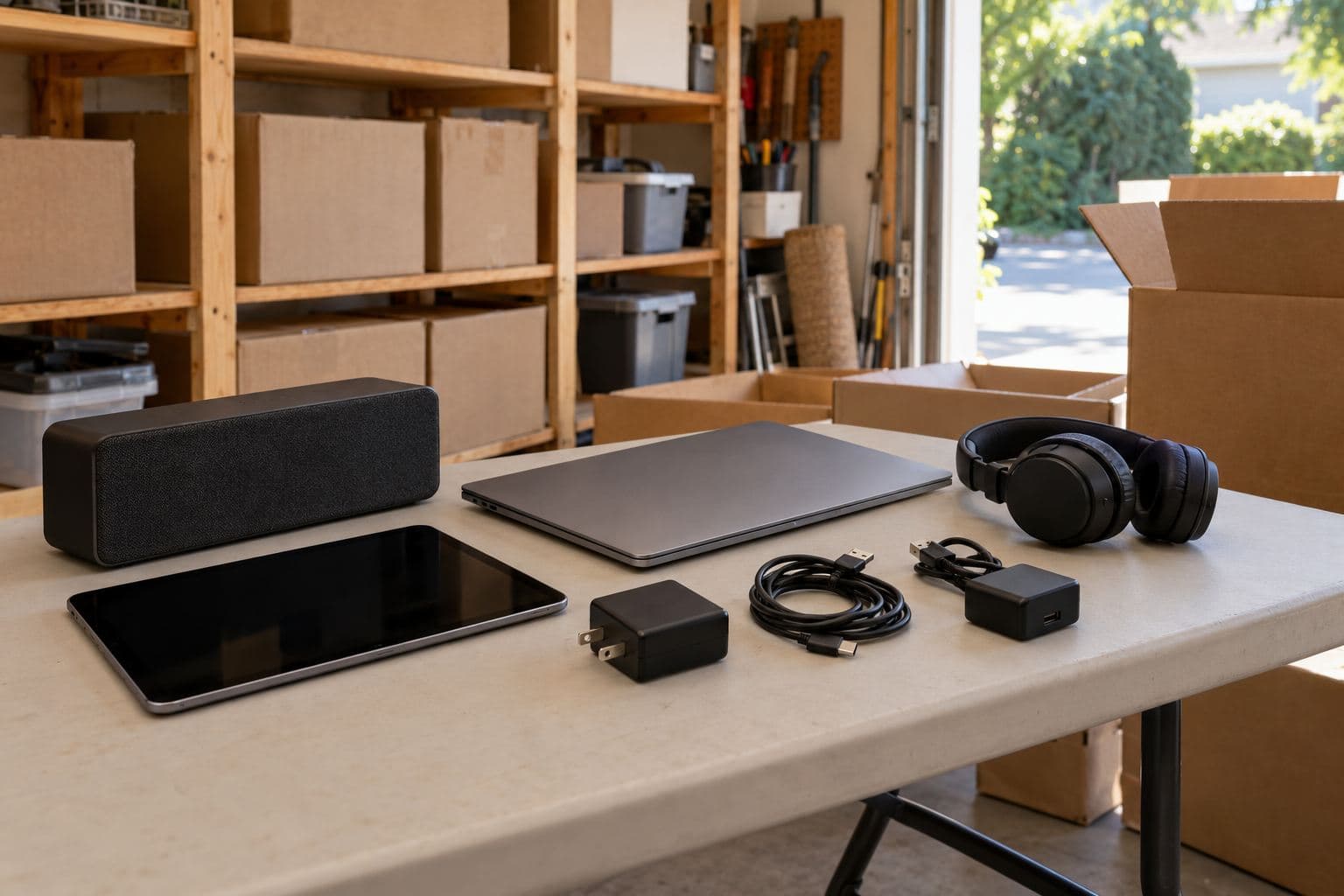
What electronics liquidation pallets mean
#As of October 2026, one electronics and small-appliance program uses “Clean Open Box Returns / Overstock.” Returns are goods buyers sent back; overstock is excess stock. Open box describes opened packaging. This mix includes appliances, with no proof each device works. The page has no publish date.
Use your selling site's condition rules. Whatnot's electronics guidance says a used item has been checked for “power and basic functionality.” Its refurbished label, for restored goods, calls for the original maker or a qualified repair firm. Check those rules even for supplier-labeled open-box goods.
Keep product type, visible wear, packaging and test results separate. These sources support no shared battery-health cutoff or Grade A test method. Grade A is a seller's condition label; ask for its written rules. See the glossary for more trade terms.
What the advertised assortments include
#The cited program advertises speakers, soundbars and massagers across 24 pallets from New Jersey, beyond a phone-and-laptop mix. Check if it's ready to ship; dispatch hasn't been confirmed by others.
Ask for the mix by type and a manifest, if available: a list of goods and counts. Speakers need power-supply and audio-input checks. Devices with data need account release and erasure; appliances may need other checks. Compare promised goods with your equipment and skills.
For devices within a mixed-size purchase, see Amazon medium truckloads. Neither heading gives a usable-device count.
Questions to ask before you bid
#Get the answers in writing:
- Which types of goods are included? Does the electronics label include small appliances?
- Does the manifest list models, counts and serial numbers or device IDs where needed?
- Which functions were checked on each unit? Were accessories, the extra parts supplied with it, included?
- Are devices locked to an account or phone carrier, or reported missing, excluded? What proof backs that up?
- Who handles approved account release and data erasure? Which records come with the goods?
- What's the dispute deadline? How much can counts differ, and which missing accessories or faults are excluded?
- What equipment, freight services (shipping by truck) and battery-disposal plans does receiving need?
Read the contract too. Amazon's official auction purchase terms restrict Amazon references in resale and require removal of customer details and secure wiping of stored user data. These duties cover that purchase, separately from editorial use of the name. Get terms passed on through any middle seller.
Ask for the total with freight and tax due, and accepted resale-certificate paperwork. A resale certificate is a tax document for buying goods to resell. This guide is not legal, tax or financial advice.
What to check on arrival
#Keep the purchase description, original manifest and dated pallet photos together. Note outer damage before opening cartons, then give each device a stock ID. Check it against the box before copying its label. For Amazon tracking stickers, see LPN pallets. Follow the pallet unload checklist.
Record the exact model and serial number if present, damage, accessories and account prompts. Keep personal details out of listing photos. Put devices with uncleared user data in a restricted test area. Don't browse the owner's messages, photos or files.
CTIA's Stolen Phone Checker checks whether a mobile device was reported lost or stolen. Record its ID, check date and result. Given that narrow purpose, get separate proof for any promised ownership, carrier unlock, cleared financing or account release, even with a clear result.
Keep function tests, account release and data sanitization separate. Sanitization clears data so accessing it is no longer practical. This workflow draws on maker guidance and NIST's data-erasure framework; it isn't a certification scheme. NIST Revision 2 was finalized September 26, 2025. Choose a suitable supported erasure method, check it finished, judge whether it worked for the type of storage and data, and record the result. Don't call a factory reset certified sanitization without proof. The covered Amazon contract sets a wipe standard, including DOD 5220.22-M for hard disk drives. Ask how to meet it alongside current technical guidance.
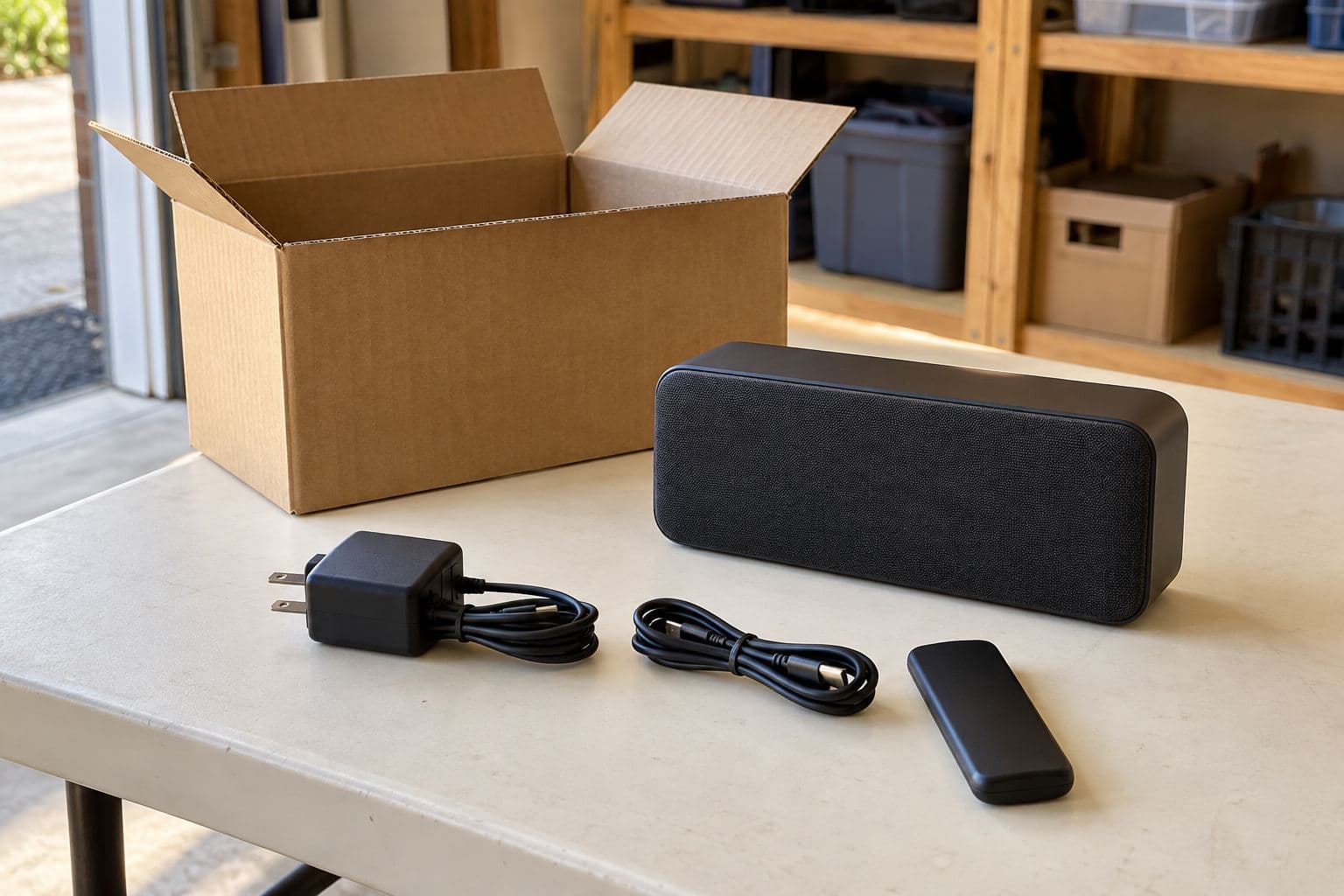
What to test first
#Only test what you can test safely. Don't power up recalled goods, swollen or damaged batteries, damaged cords or gas appliances. Search the exact model in CPSC's recalls search and consult the maker before you proceed. CPSC's resale guidance bars resale of recalled goods until the stated fix is done. Disclose that fix in the listing.
For devices you can test safely, follow the maker's steps. Record each function checked: charging, screen, touch controls, audio, ports or connections as needed. A partial record might say “Powers on; other functions untested.” Check each repeat unit on its own. See the inspection and testing guide.
Get separate proof of account release. Apple explains that Activation Lock, protection tied to an owner's account, can remain after erasure. Google explains that protected Android devices can require a previously synced account after reset. Even with a startup screen, check that a buyer can set up the device. Use approved release through the owner, seller and maker; don't bypass locks. Ask separately about carrier limits and financing.
Then choose a listing condition. eBay's electronics Used definition includes “fully operational and functions as intended,” while Whatnot's Used and Fully Functioning rule requires “fully functional as intended”. Choose from the site's rules for that product type even if your own label says Untested, and disclose checks still to do.
Space, handling and moving it
#Reserve secure space for devices with data, stock to check and goods awaiting approved disposal. Keep chargers with matching devices after checking the maker's specs, beyond just plug shape. For battery tools, see tool pallet checks.
Battery shipping rules vary with type, capacity, packing and condition. Read PHMSA's lithium-battery shipping guidance before choosing packaging or service. Its damaged-battery guidance bars damaged, defective or recalled lithium batteries from aircraft. Allowed transport needs extra packaging and hazard notices. Check carrier rules before offering shipping.
USPS Publication 52 sections 349.21, 349.221 and 349.6 cover used, damaged or defective devices with lithium batteries inside or packed with them. They leave out new devices in original packaging and new or refurbished devices certified by the maker. Covered devices can't go by domestic air or international mail. Mailable domestic surface parcels must show Restricted Electronic Device and Surface Transportation Only on the address side, and meet other packaging, count and battery-size rules. Damaged, defective or recalled batteries can't be mailed unless USPS's director, Product Classification, approves them. Surface service leaves that ban in place.
Plan disposal before buying, including the recycler's accepted goods and charges. EPA lists R2 and e-Stewards certification programs. These independent programs aren't EPA certification of your business. New York bans covered electronic equipment from ordinary solid-waste disposal. State rules vary; check yours. This example isn't a nationwide rule for every appliance.
How the cost works
#Made-up example: goods cost $800, freight is $200 and checks leave 50 sellable units, not an expected pallet result.
| Calculation | Arithmetic | Result |
|---|---|---|
| Buying and freight total | $800 + $200 | $1,000 |
| Cost assigned to each sellable unit | $1,000 ÷ 50 | $20 |
| Added prep and selling costs across all units | $100 + $200 | $300 |
| Money needed to break even on included costs | $1,000 + $300 | $1,300 |
| Average money per unit if all 50 sell | $1,300 ÷ 50 | $26 |
Break even means sales cover included costs. If only 40 units are sellable, that same $1,000 assigns $25 to each. Add actual tax, repairs, accessories, disposal and other costs as needed. The average assumes no unsold units and predicts no sale price. Use the pallet profit calculator and track costs outside its inputs separately.
Keeping device sales attached to the purchase
#Devices can have different fees and shipping costs even when bought together. A notebook or spreadsheet works for tracking each sale. PalletPro records sale price, fees and shipping when you mark an item sold, keeping them with its stock record. See the app
How this guide was written
#Compiled from the public sources listed below. Checked on October 1, 2026. Seller pages show advertised terms; the shipments weren't inspected. PalletPro doesn't sell pallets and isn't affiliated with any retailer, liquidator or marketplace named.
Sources
#- Amazon electronics / small appliances truckload - Truckload Deals, date not shown (checked October 1, 2026).
- Whatnot electronics condition definitions - Whatnot, February 26, 2026 (checked October 1, 2026).
- Amazon terms of purchase - Amazon / B-Stock, September 3, 2020 (checked October 1, 2026).
- Guidelines for media sanitization, Revision 2 - NIST, September 26, 2025 (checked October 1, 2026).
- Recalls and product safety warnings - CPSC (checked October 1, 2026).
- For buying and selling products online - CPSC, date not shown (checked October 1, 2026).
- Activation Lock for iPhone and iPad - Apple, April 29, 2026 (checked October 1, 2026).
- Help prevent others from using your device without permission - Google, date not shown (checked October 1, 2026).
- Stolen Phone Checker - CTIA / GSMA Device Check, date not shown (checked October 1, 2026).
- Item condition by category - eBay, date not shown (checked October 1, 2026).
- Transporting lithium batteries - PHMSA, last updated October 12, 2023 (checked October 1, 2026).
- Understanding the risks of damaged, defective, or recalled lithium batteries - PHMSA, effective March 29, 2023 (checked October 1, 2026).
- Publication 52: 349 Class 9 hazardous materials - USPS (checked October 1, 2026).
- Certified electronics recyclers - EPA, July 31, 2026 (checked October 1, 2026).
- Recycling consumer electronic waste - New York DEC, date not shown (checked October 1, 2026).
Updated
More guides
- Furniture liquidation pallets and truckloads
Compare boxed and assembled furniture, check missing parts and upholstery rules, and plan inspection, storage, delivery and purchase costs.
- Generic merchandise pallets: what the seller means
Understand generic pallet descriptions, identify unfamiliar products, check brand and recall rules, and calculate costs before buying.
- Health and beauty pallets: seals, dates and sale rules
Check health and beauty pallets for product type, seals, dates, labels and resale rules before you list anything or put goods into a bundle.
- Home goods pallets: contents, costs and resale checks
Compare home goods liquidation pallets by contents, condition and freight. Check kitchenware, bedding and appliances before choosing what you can resell.