
Reseller guide
Health and beauty pallets: seals, dates and sale rules
Health and beauty liquidation pallets need checks on each product before sale. Check age, storage, safety and selling-site rules even when jars are closed or tagged. Hold goods with unanswered questions. Never resell opened or used personal-care items.
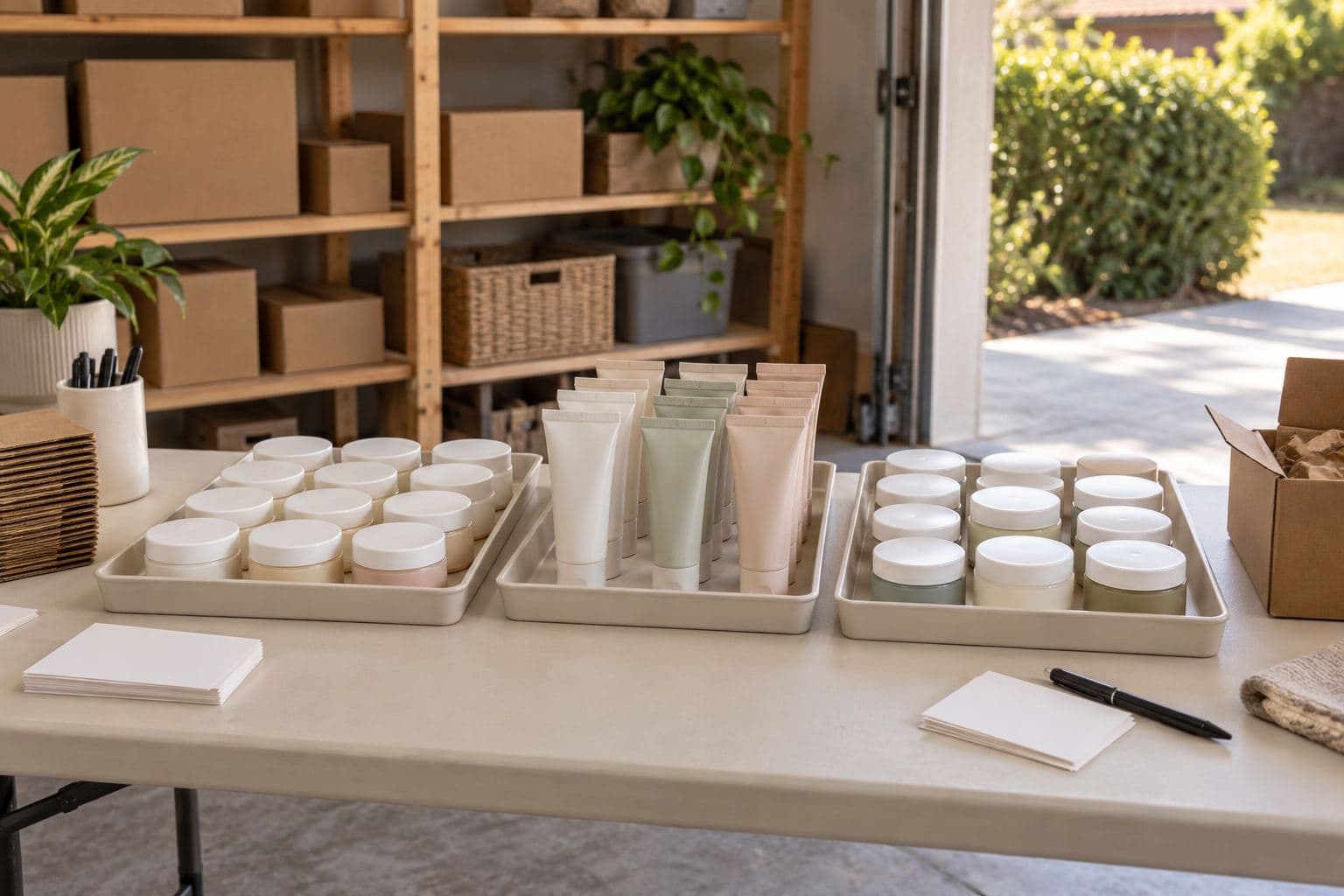
What a health and beauty pallet is
#A pallet is a platform used to move goods, or the batch packed on it. Liquidation means stock cleared out in bulk. HBA means health and beauty aids, a seller's broad product group. The glossary explains more buying terms.
As of October 2026, one liquidator, a seller of bulk clearance stock, uses “Health and Beauty” and “Hba Mixed Pallet” in its catalog. “Shelf Pulled” means goods removed from retail sale. Check each unit's legal class and sale rules; HBA can cover different products.
FDA bases the rules on a product's intended use and claims. A cosmetic is a product used to clean the body or change appearance. An OTC (over-the-counter) drug is medicine bought without a prescription. Some products serve both roles, such as anti-dandruff shampoo and makeup with sun-protection claims. Don't add claims to treat an illness when listing a cosmetic. Cosmetics and US law.
This guide is not legal, tax or financial advice, or medical advice. Resale needs its own checks. Federal, state, local and platform rules depend on your goods, business and buyer's location. Get qualified advice, especially for drugs, devices, imports or changed labels.
What usually arrives
#There's no standard HBA mix. The catalog advertises an assorted pallet but lacks a full list with each product's dates, seals and storage history. Ask for those details and written return terms. Smaller cosmetic lots, groups sold together, don't show that pallet's contents.
Before you commit, get a manifest, the item-by-item list. Ask if it includes cosmetics, drugs, supplements or devices. A supplement is taken by mouth to add to the diet; a medical device is health equipment with its own rules. Hold unknown products.
FDA doesn't approve supplements before sale. Claims to treat, cure or prevent disease make a supplement a drug. Keep health and treatment claims out of listings, and check labels, recalls and FDA alerts before choosing a sale route. FDA supplement rules.
Ask for product names and what each count means: single packs, packs of several units or shipping cartons. For unmanifested pallets, those without an item list, read the unmanifested pallet guide.
Questions to ask before you bid
#Before paying, ask:
- Which product types are included, and which are excluded in writing?
- Can the seller provide maker names, product names, counts and printed dates?
- Are lot codes available? A lot code links units made in the same batch.
- Are goods unused, in their original containers, with expected seals intact?
- Are store testers, goods used for display or sampling, excluded? What about opened goods and items marked against resale?
- How were the goods stored, and is that history documented?
- What happens if goods arrive leaked, expired or with missing labels? How are recalled goods, those under a safety notice, handled?
- What are the freight charge, claim deadline and business disposal costs?
Freight means carrier transport of the pallet; get a separate quote. Request invoices and terms, including brand-name ad limits. Check sales tax and any resale certificate, the state form for qualifying resale purchases, through the tax guide. Check product-business licenses separately.
What to check on arrival
#Photograph before sorting. Keep original containers with retail boxes; they may carry required warnings or directions. Copy product name, maker, amount, shade where relevant, code and date exactly. Preserve ingredients and other required labels. FDA labeling guidance.
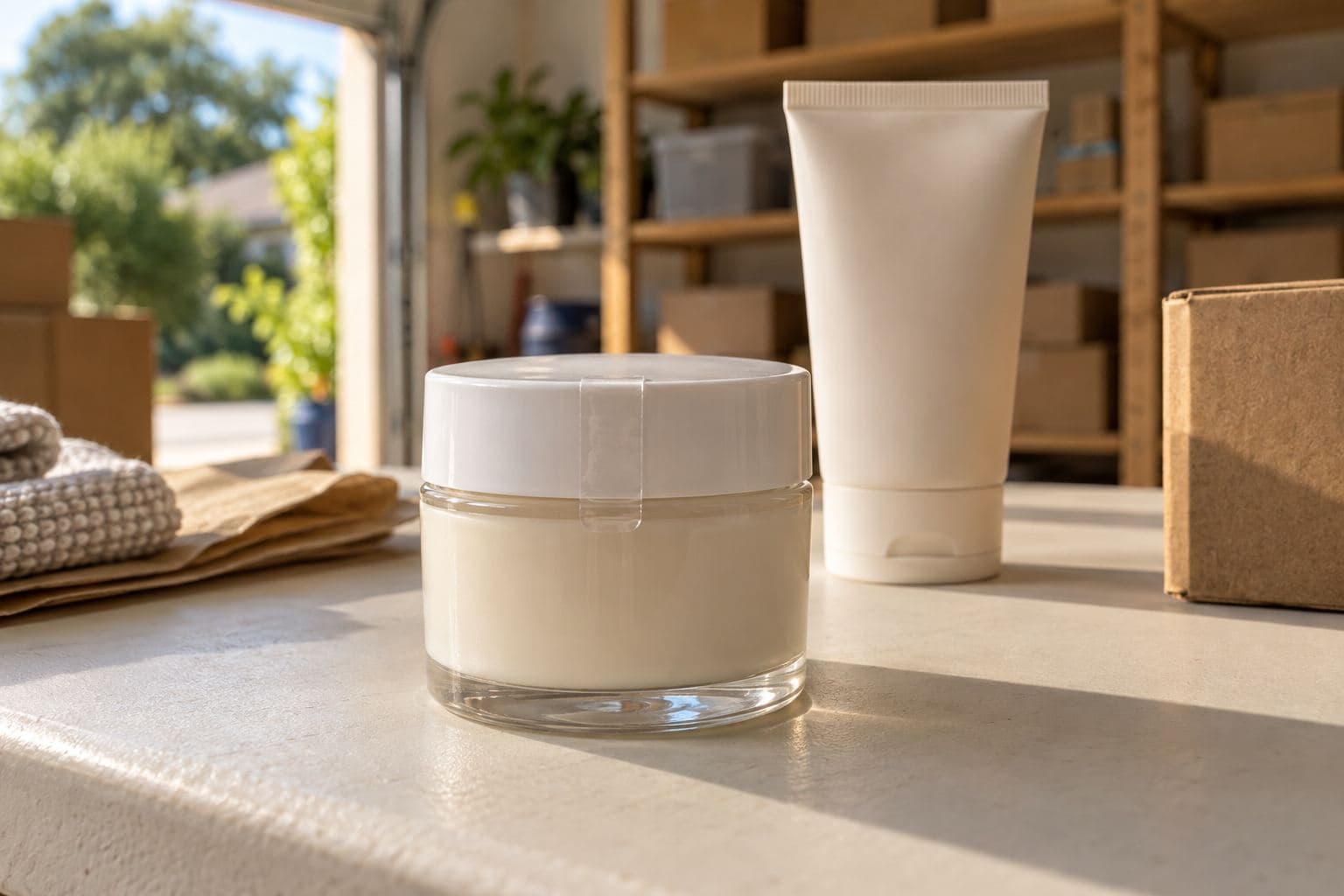
Check shipping cartons and product containers separately. Note torn boxes and broken seals as different faults. A tamper barrier shows signs of interference, such as a film band. Ask the maker what seal to expect; HBA products don't all use the same barrier.
Never resell opened or used personal-care goods, including testers and used applicators: brushes, sponges or other tools for putting products on the body. Hold leaks and broken or resealed barriers for return or safe disposal. Don't wash, refill or repackage these goods for resale. FDA bars unsafe or wrongly labeled cosmetics from trade across state lines. Adulterated means goods that fail legal safety or handling rules; misbranded means false or missing required label details. FDA authority over cosmetics.
Cosmetics have no single federal shelf-life period or general duty to print an expiry date, after which the product should no longer be used. Shelf life is how long goods stay suitable under their storage and use conditions. Copy lot codes you can't read and ask the maker to explain them. Get maker proof of age rather than relying on a code lookup site. Heat and poor storage can affect sealed goods. Cosmetic dates and storage.
Drug dates depend on stability: how the product keeps its quality under stated storage conditions. Keep expired drugs out of sale and never extend dates yourself. Drug expiration guidance.
What to test first
#Only test what you can test safely. Check cosmetics and personal-care goods from outside the container: identity, labels, seals, dates and recalls. Don't open, swatch or try them on your skin to prove they're unused. Swatching means applying a sample to show color or texture. Record your checks with the inspection guide.
Search FDA recalls and safety alerts by product and lot, including older notices when needed. Screen personal-care appliances in the CPSC recall search. Hold recalled goods and follow the regulator's and maker's instructions. Never test recalled goods, damaged cords, swollen or damaged batteries, or gas appliances.
Drug concentration means how much active drug a given amount of product contains. Review the platform's current rules before listing:
| Sale route | What to check |
|---|---|
| eBay cosmetics | Original packaging is required. Decanted goods, meaning products poured into a new container, used perfume and skin-bleaching goods are barred. Its rule on used cosmetics refers to cleaning, but this guide excludes all opened or used personal-care goods from resale. Cosmetics policy. |
| eBay OTC drugs | Allowed stock must be new and unused in original unopened, undamaged packaging. Give expiry in the description; it must not pass before buyer receipt. Give drug concentration in the item field when required. Required labels must be in English. Prescriptions and injectable goods are barred; OTC naloxone nasal spray needs an eligible seller. Drug policy. |
| eBay supplements | Vitamins and supplements must be new and unused in original unopened, undamaged packaging. They must be unexpired, with expiry entered in the item fields. FDA-listed tainted supplements are barred. Drug and supplement policy. |
| Whatnot cosmetics | Used, swatched and resealed goods are barred. An outer box may be missing or damaged if the original container and seal stay intact. Goods generally must be under three years old and reach buyers before expiry; fragrance and nail-polish age exceptions apply. Cosmetics policy. |
| Whatnot medicine and devices | Its general policy bars medicine, including OTC medicine, and prescription medical devices. Restricted items. |
| Whatnot supplements | Sellers need approval for the Supplements category. Goods must be unopened in original sealed, undamaged maker packaging, with at least three months before expiry at order time. Recalled, homemade or repacked goods are barred. Check the policy's banned ingredients and FDA alerts; sexual-enhancement and injectable goods are barred. Don't add health claims. Supplements policy. |
| Whatnot wholesale | Wholesale means sale in bulk, often to other sellers. Dated goods need at least three months left at buyer receipt. Goods marked against resale are barred. Confirm age exceptions before selling fragrance or nail polish here. Wholesale policy. |
Whatnot's beauty policy lists sunscreen, but its general policy bars OTC medicine. FDA classes sun-protection products as drugs, sometimes also cosmetics. Hold sunscreen out of Whatnot sales until the platform resolves your product's rule. Recheck the linked policies before listing.
California bars retailers from offering expired OTC drugs. In Texas, wholesale trade in nonprescription drugs needs a license for each business site unless exempt. Selling to resellers may need different checks from consumer sales. Check other states' rules too. California statute, Texas rules.
If you import, relabel, repackage or put your name on cosmetics, check MoCRA duties. MoCRA is the Modernization of Cosmetics Regulation Act. FDA assigns facility and product-listing duties by business role. Ordinary resale of sealed goods alone doesn't make you a manufacturing facility. FDA MoCRA guidance.
Space, handling and moving it
#Keep stock cleared for sale apart from goods awaiting answers or disposal. Follow storage labels, keep seals closed and contain leaks. Check carrier limits before shipping fragrance or nail polish. Whatnot cosmetics policy.
Plan for business waste. EPA's hazardous-drug-waste rules include retailers. Hazardous waste needs special handling; such drug waste can't go into sewers, even from very small generators. Some HBA goods aren't hazardous. Ask your state waste agency or a qualified business waste service about your stock and disposal route. Check whether household take-back programs accept business waste. EPA drug-waste FAQ, small-business waste guide.
How the cost works
#Made-up example: Goods cost $600, freight $200, and tax and other buying costs $200. You confirm 100 units qualify for your chosen sale route.
| Step | Arithmetic |
|---|---|
| Buying cost | $600 + $200 + $200 = $1,000 |
| Cost per sellable unit | $1,000 / 100 = $10 |
| If only 50 units qualify | $1,000 / 50 = $20 |
| Break-even with $200 in further costs | $1,000 + $200 = $1,200 in buyer payments |
Break-even means payments cover the stated costs. Add packing, fees, shipping you pay and disposal, plus your time if you give it a cost. Keep held stock out of the sellable count until questions are resolved. Use the pallet profit calculator.
Keeping the sellable count honest
#A notebook or spreadsheet works for stock counts and costs after your checks. PalletPro splits a pallet's purchase cost plus tax evenly across its sellable units, and lets you record discarded goods as write-offs, meaning units removed from resale. Keep your safety and policy evidence separately. See the app
How this guide was written
#This guide was compiled from the public sources listed below. Checked on October 1, 2026. PalletPro doesn't sell pallets and isn't affiliated with any retailer, liquidator or marketplace named here.
Sources
#- Clearance Pallets & Deals - Discount Wholesalers Inc (checked October 1, 2026).
- Cosmetics & U.S. Law - US FDA (checked October 1, 2026).
- Questions and Answers on Dietary Supplements - US FDA (checked October 1, 2026).
- Summary of Cosmetics Labeling Requirements - US FDA (checked October 1, 2026).
- FDA Authority Over Cosmetics: How Cosmetics Are Not FDA-Approved, but Are FDA-Regulated - US FDA (checked October 1, 2026).
- Shelf Life and Expiration Dating of Cosmetics - US FDA (checked October 1, 2026).
- Expiration Dates - Questions and Answers - US FDA (checked October 1, 2026).
- Recalls, Market Withdrawals, & Safety Alerts - US FDA (checked October 1, 2026).
- Recalls & Product Safety Warnings - US Consumer Product Safety Commission (checked October 1, 2026).
- Cosmetics and perfume policy - eBay (checked October 1, 2026).
- Prescription and over-the-counter drugs policy - eBay (checked October 1, 2026).
- Whatnot Cosmetics Policy - Whatnot, September 14, 2026 (checked October 1, 2026).
- Prohibited or Restricted Items on Whatnot - Whatnot, August 17, 2026 (checked October 1, 2026).
- Whatnot Supplements Policy - Whatnot, February 12, 2026 (checked October 1, 2026).
- Whatnot Wholesale Category Policy - Whatnot, June 27, 2025 (checked October 1, 2026).
- California Code, HSC 110286 - California Legislature, effective January 1, 2012 (checked October 1, 2026).
- Nonprescription drug rules (25 TAC 229.241-229.252) - Texas Department of State Health Services (checked October 1, 2026).
- Modernization of Cosmetics Regulation Act of 2022 (MoCRA) - US FDA (checked October 1, 2026).
- Frequent Questions about the Management Standards for Hazardous Waste Pharmaceuticals and Amendment to the P075 Listing for Nicotine Final Rule - US EPA (checked October 1, 2026).
- Managing Your Hazardous Waste: A Guide for Small Businesses - US EPA, guide updated October 2019 (checked October 1, 2026).
Updated
More guides
- Home goods pallets: contents, costs and resale checks
Compare home goods liquidation pallets by contents, condition and freight. Check kitchenware, bedding and appliances before choosing what you can resell.
- Mystery pallets: what you can't check before buying
Learn what an unmanifested pallet leaves unknown, what to ask before buying, how to check sample photos, and why resale needs a contents list.
- Pallet types: read the offer and choose a guide
Read pallet offers by source, size, goods and condition, then choose a guide for the checks, space and costs to plan before buying.
- Sporting goods liquidation pallets: sets and safety
Check sporting goods pallets for complete sets, sizes, bike assembly and protective-equipment history before planning storage, transport and resale.