
Reseller guide
Generic merchandise pallets: what the seller means
“Generics” can mean unbranded goods, products with no brand, or little-known brands. It can also mean general merchandise, a mix of product types. Ask which meaning the seller uses for the pallet, a platform holding goods together for handling and transport. You'll need to check whether items work, have all their parts and can go on another seller's product page.
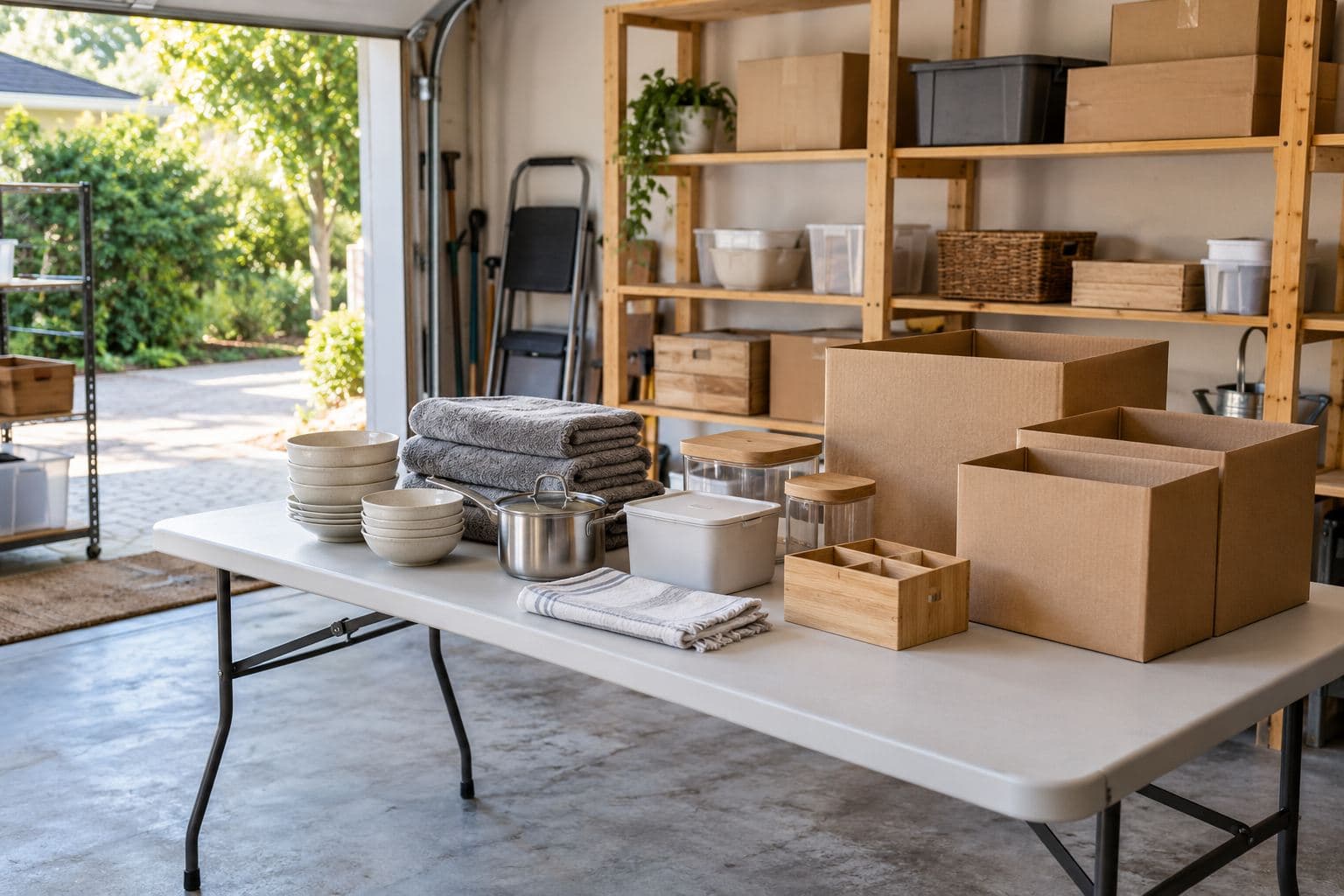
What generic merchandise means
#Liquidation means selling stock a business clears. This can include excess stock and returns, goods retail buyers send back. One UK liquidator, a seller of cleared stock, calls items “unbranded, or low brands” and the mix an “amazon general pallet.” As of October 2026, this is seller wording, without proof of origin or a shared condition grade, a seller's condition label. The seller says it doesn't know the categories. Supplier pallet description.
Amazon defines generic products as goods with no identifiable brand. This rule covers product listings; sellers may use “generic” differently for pallets. A brand you don't know is still a brand. Amazon generic-product guidance.
Generic packaging means plain replacement packaging in place of the original retail box. B-Stock calls it “Non-Original” packaging and includes plain cardboard boxes. A branded item can come in one. Check the packaging, brand, product type and condition as separate parts of the offer. B-Stock packaging definitions.
The liquidation glossary explains buying terms. See manifests and condition grades to tell product details apart from seller grades.
What can arrive in the pallet
#“Generics” has no fixed mix. That seller describes varied goods and says a small number can be returns. Its claims give no item-by-item test results or promise of what your pallet will contain. Supplier pallet description.
A manifest is the seller's stock list. One liquidator says its lists can include model numbers, serial numbers, UPCs, counts and notes on whether items work. A model number names a product version; a serial number names one unit. A UPC, or Universal Product Code, is a product ID linked to a barcode. Which fields you'll get depends on the purchase. Liquidator manifest explanation.
If the brand field is blank, ask whether the item has another usable ID. Check familiar brand names against the item too. Broad categories and sample photos give you less to plan how you'll identify, test and store the goods.
Questions to ask before you bid
#A bid is your auction offer; a lot is the group offered as one purchase. Ask before you commit:
- Does “generic” refer to brands, mixed product types, packaging or a mix of these?
- Do the photos show these goods or a different mix?
- Does the quantity count individual products, sets or outer boxes?
- Is there a manifest? Which IDs does it list?
- What checks or tests were done? Which parts are known to be missing?
- What proof is there of the stated origin? What resale rules are in the contract?
- What charges and deadlines apply to transport, pickup and reporting mismatches?
Ask to inspect a sample before buying and find out what you can check. Outer wrap won't confirm what's inside each box. If you can't inspect, decide based on that limit. The supplier checks guide covers the wider purchase check.
On Amazon, you currently can't list branded goods as generic, switch a listing between generic and branded, or add an offer to another seller's generic listing. For truly unbranded goods without a product ID, you'll need the right GTIN exemption for the store and category. This is permission to list without a Global Trade Item Number, a standard product ID. Amazon generic-product guidance.
Read the rules on retailer names in your purchase contract. A guide's use of a name doesn't give you permission to use it in resale ads. The Amazon purchase routes guide covers this issue.
What to check on arrival
#Take photos of the shipment before you split it up, then give each product or full set an ID in your records. Match it to its box and the manifest. Keep each extra part with the item it fits; check the fit even when two products look alike.
Before you choose a listing title, record:
- Marks on the item and packaging, including the brand and model.
- Size, material, intended use and features that help tell it apart.
- Extra parts, connectors and missing pieces.
- Whether you've confirmed the ID or found a possible match.
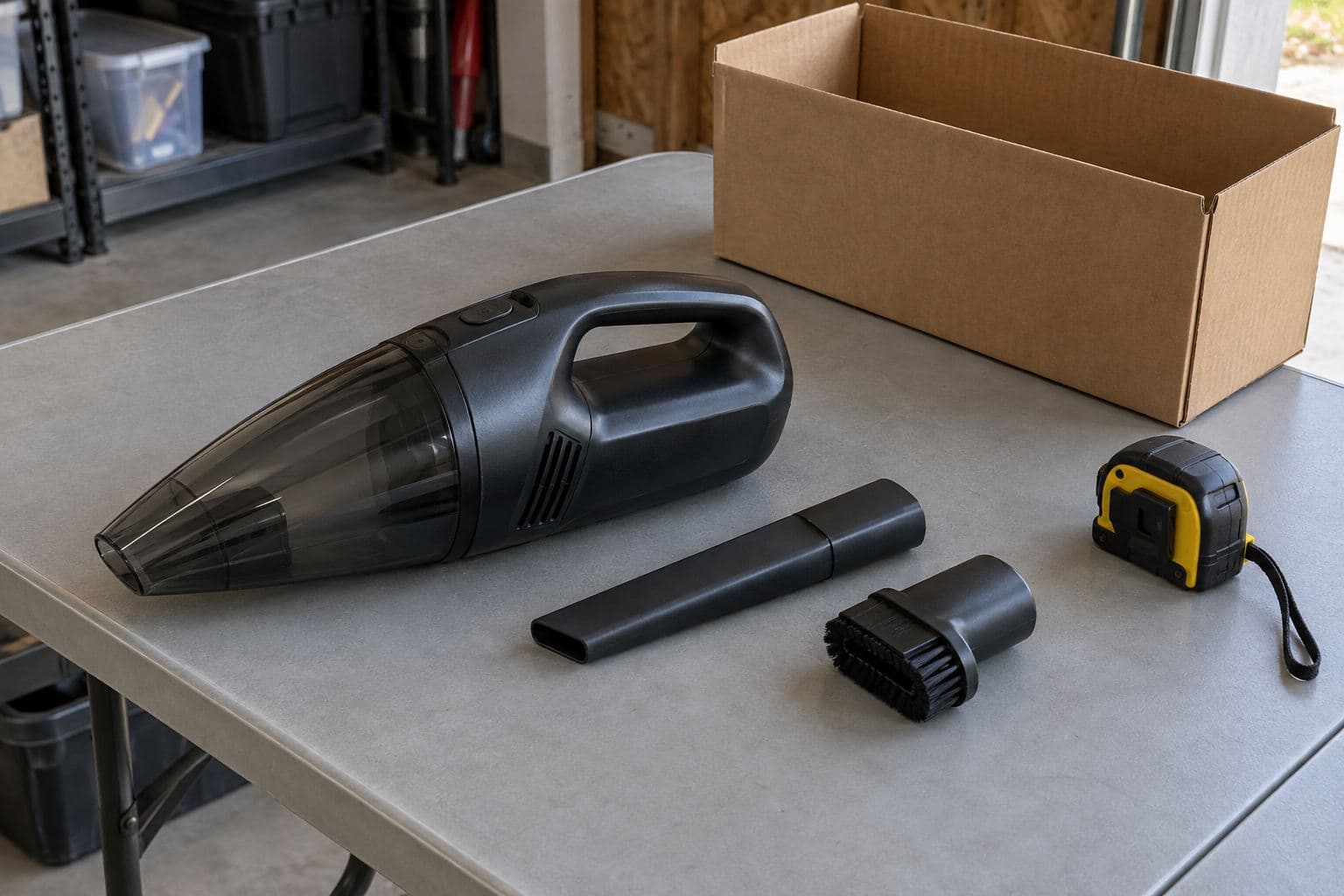
Search the exact ID first. If that fails, try the product type and details you can see. Use a similar photo as a lead to check. Don't borrow a brand's model name just because the shape looks alike.
Compare the same product and condition when you research prices. eBay's Product research currently has filters for condition, brand and location. An asking price is what a seller requests; a completed transaction records an actual sale. Note key differences between your item and the comparison, and keep those price types separate. eBay Product research; item pricing guide.
Set an item aside for more research if marks clash, labels seem to be removed or you can't confirm that a branded-looking item is real. Counterfeit means a copy made without permission and passed off as genuine. eBay currently allows listings only when you're certain an item is genuine. Check that before calling it unbranded. eBay counterfeit policy.
What to test first
#Check the item's ID and safety first, then its parts and the functions you can safely test. Use the CPSC recall search and read the maker's instructions. CPSC is the US Consumer Product Safety Commission. A recall is a safety action for specific products. If you can't confirm the maker or model, keep the recall check open, even if the search finds no match.
Only test what you can test safely. Don't test recalled goods, swollen or damaged batteries, damaged cords or gas appliances. Never test gas appliances yourself; arrange a check by a qualified professional. Follow CPSC and the maker's guidance. Manufacturer gas-appliance safety instructions. Selling recalled goods is banned, even if the auction has a disclaimer. CPSC seller safety FAQs.
An item you haven't checked for function is untested. For a partial check, write what happened, such as “Powers on; other functions untested.” Keep that limit clear. Follow the returns inspection and testing guide, then choose the selling site's condition label as a separate step.
Space, handling and moving it
#Leave space for goods awaiting ID, loose parts, empty boxes and finished items. Unchecked goods can fill your table and hold up the next box. Keep each item's parts together and walking routes clear.
Plan transport from the shipment's size and weight. Freight is commercial transport of goods; check what delivery includes. See freight shipping and the pallet unload checklist to plan receipt, or the getting-started guide for your first pallet purchase.
How the cost works
#Landed cost means the purchase price plus the costs you include to get goods to you. State which costs you count. A buyer's premium is an auction charge added to the price. Break-even is when sale receipts cover the costs in your sum.
Made-up example: round numbers show the math, rather than real prices or expected results.
| Calculation | Amount |
|---|---|
| Pallet purchase | $400 |
| Buyer's premium | $40 |
| Freight | $120 |
| Sales tax charged | $40 |
| Buying total: $400 + $40 + $120 + $40 | $600 |
| Sellable units after checks | 20 |
| Buying cost per sellable unit: $600 ÷ 20 | $30 |
| Further packing and selling expenses | $100 |
| Receipts needed to cover included costs: $600 + $100 | $700 |
| Equal receipt per unit if all 20 sell: $700 ÷ 20 | $35 |
Use the equal split for planning, then set each item's asking price. If only 15 units can be offered, $600 comes to $40 per sellable unit. Unsold goods bring no sale receipts. Add other costs and try the pallet profit calculator with your figures. This is not legal, tax or financial advice; resale certificates and sales tax covers paperwork to check.
Keeping unfamiliar items straight
#A notebook or spreadsheet works for keeping each product's ID and condition clear while you research it. PalletPro suggests a name from a photo for you to check and edit; scanning needs a connection. Each item has its condition and one of three test labels: “Tested — works”, “Untested” and “Not working”. Keep full research and test notes in your own record. See the app
How this guide was written
#This guide was compiled from the public sources listed below. Checked on October 1, 2026. PalletPro doesn't sell pallets and isn't affiliated with any retailer, liquidator or marketplace named here. Seller wording covers the cited offer or program, without confirming shared definitions or expected results.
Sources
#- Amazon Pallet Return – Buy Returns From Amazon – Amazon Wholesale Pallets – Mostly Brand New goods - Buyers Hub (UK supplier; description, not verified provenance), date not shown (checked October 1, 2026)
- Sell generic products in the Amazon store - Amazon, April 23, 2025 (checked October 1, 2026)
- Conditions - Amazon US Liquidation Auctions / B-Stock (checked October 1, 2026)
- How can I tell exactly what condition each item in an auction is in? - Direct Liquidation, updated April 27, 2023 (checked October 1, 2026)
- Product research - eBay (checked October 1, 2026)
- Counterfeit policy - eBay (checked October 1, 2026)
- Recalls & Product Safety Warnings - US Consumer Product Safety Commission (checked October 1, 2026)
- Online Sellers Safety Guide FAQs - US Consumer Product Safety Commission (checked October 1, 2026)
- Installation instructions: 30-inch freestanding and slide-in gas ranges - Whirlpool, document 9761413B (checked October 1, 2026)
Updated
More guides
- Health and beauty pallets: seals, dates and sale rules
Check health and beauty pallets for product type, seals, dates, labels and resale rules before you list anything or put goods into a bundle.
- Home goods pallets: contents, costs and resale checks
Compare home goods liquidation pallets by contents, condition and freight. Check kitchenware, bedding and appliances before choosing what you can resell.
- Mystery pallets: what you can't check before buying
Learn what an unmanifested pallet leaves unknown, what to ask before buying, how to check sample photos, and why resale needs a contents list.
- Pallet types: read the offer and choose a guide
Read pallet offers by source, size, goods and condition, then choose a guide for the checks, space and costs to plan before buying.