
Reseller guide
Liquidation pallet freight: booking, delivery, and claims
Before buying liquidation goods, stock a business is clearing out, find out how they're packed and how they'll leave the truck. Freight is transport for bulky goods; a pallet is a flat base that lets equipment move goods together. Home delivery, a liftgate (a truck platform that lowers goods to ground level), and indoor placement are separate services. Confirm each service you need and the delivery point in the quote.
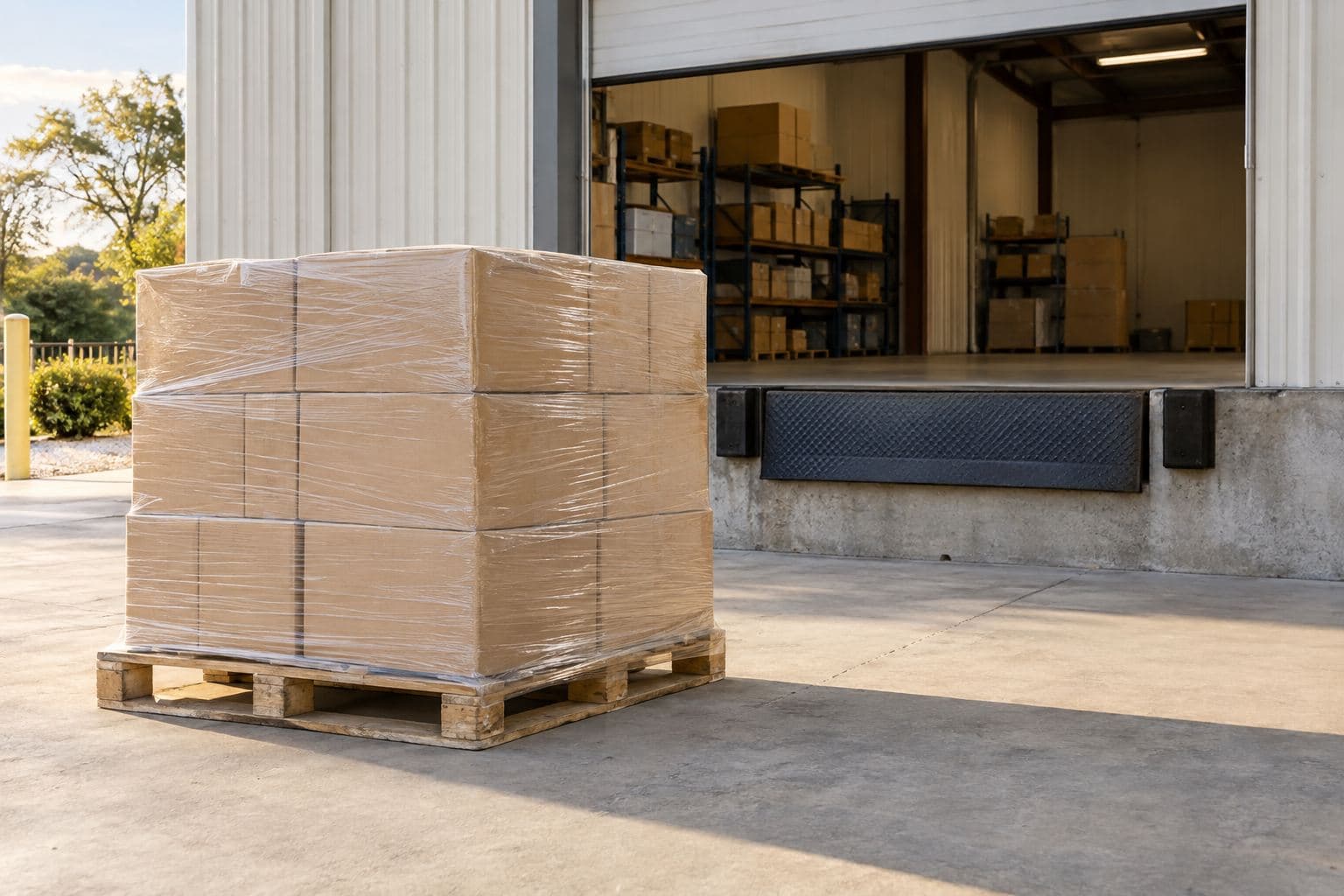
Know the shipment format
#LTL means less-than-truckload: your freight shares truck space with other shipments. FTL means full truckload: you book a trailer with its full capacity set aside for your goods. Ask your carrier, the firm moving your goods, for the actual pallet count, packed size, and total weight; neither format has a fixed pallet count. The guide glossary explains other transport terms.
Palletized goods sit on pallets for handling; floor-stacked goods sit in the trailer without that base. Each needs its own plan to get it out. Ask for packing details or photos, even when “truckload” appears in the offer.
As of October 2026, the policy details in this guide reflect the linked pages. Walmart's liquidation shipping rules require a dock, a raised receiving point at trailer height, or a forklift, powered gear that can raise and move freight, for full truckloads. They don't offer liftgates for those shipments. The policy also covers appliances shipped without pallets. This is that marketplace's rule; check your own seller and carrier's terms before making a receiving plan.
A manual pallet jack raises a pallet slightly so you can roll it on a suitable surface. It can't solve the height gap from a trailer on its own.
Check who may book transport
#With seller-arranged shipping, the seller books transport under the listing's terms. Buyer-arranged shipping means you arrange it. B-Stock also describes fixed shipping charges. Read your offer before asking a carrier to collect goods.
The current Amazon standard shipping rules prohibit using your own carrier or collecting orders yourself. For other programs, check their rules and get pickup permission before using the seller's address.
If you use a freight broker, a business that arranges transport with carriers, ask who handles delivery questions and claims. A freight claim is a formal request for payment for shipment loss or damage. Get the carrier's name and shipment ID when assigned, and keep the seller's terms, quote, and carrier terms together to track who agreed to do what.
Read who pays extra charges and who can file a damage claim. Ask what liability, meaning the carrier's duty to pay for covered loss, applies to these goods. If you want added coverage, get its price and limits in writing. A shipment's purchase price alone won't tell you the amount a claim may recover.
Give the carrier a full quote request
#Send these details in writing, asking the seller for anything missing before you book.
| Quote field | What to provide or confirm |
|---|---|
| Route | Pickup and delivery addresses, ZIP codes, contacts, and site hours |
| Goods | Plain item description, how they're packed, pallet count, and whether anything sits loose in the trailer |
| Size and weight | Length, width, and packed height of each pallet; gross weight, meaning goods plus packaging and pallet |
| Site access | Home or business address, gates, stairs, gravel, narrow roads, and truck turning space |
| Equipment | Dock or suitable forklift at each end; liftgate need and size or weight limits |
| Service | Delivery appointment, call-ahead, inside placement, or other help you need |
| Cost and terms | Base charge, extra services, payer, quote expiry, and carrier liability or added coverage |
Accessorials are extra services, such as liftgate or home delivery, that may cost more. Services left out of a volume LTL or truckload quote can bring extra charges, under Estes's rules. List what you need in the quote request.
Freight class is a rating group used to price a shipment. NMFC is the National Motor Freight Classification system for grouping goods. Density is weight for the space goods take up. The National Motor Freight Traffic Association, or NMFTA, publishes this system. Its classification changes, effective July 19, 2025, changed criteria tied to density, handling, and liability; the page also says more changes were planned. Ask the carrier for the current item number and class for your actual goods. Don't reuse a class from another pallet.
Ask the carrier about detention, a charge for holding the truck beyond the agreed free time. Confirm both the free time and charge, then compare the full quote with the invoice later. Landed cost is what you pay to buy goods and bring them to your chosen place; the landed-cost guide shows where inbound freight fits. Budget from a quote for your address that includes the services you need.
Plan the route from truck to storage
#Walk the route to storage, measuring doorways and checking surface changes. A pallet that rolls on level concrete may need a different plan at gravel, steps, or a slope. Check equipment capacity against packed weight and size, and use qualified help where needed.
ABF home delivery is curbside, with a separate paid service for indoor help. ABF asks you to disclose gates, stairs, gravel, and weather exposure. Agree on the delivery point and arrange the move from there to storage.
Ask whether taking cartons apart, carrying items indoors, or assembling them is included, and who does each task. Have a dry place for goods that can't stay outside and clear space to inspect the wrap before removing it.
Powered gear also needs a trained operator. OSHA's powered-industrial-truck guidance covers employer training duties for equipment such as forklifts and powered pallet jacks. Renting equipment doesn't supply operator training. This guide isn't an equipment-use lesson.
Use the receiving and storage guide for the space after delivery. For bulky goods, read the appliance and furniture guides before choosing handling help.
Keep the shipping papers straight
#A BOL, or bill of lading, records shipment details and transport terms. A delivery receipt records what was handed over. POD means proof of delivery; PRO is the carrier's shipment ID. POD records that delivery took place. Keep these with the seller's order number to match a claim to the shipment.
A manifest is the seller's list of goods; the BOL records the freight shipment. Keep both, using the manifest guide to read the item fields.
FOB stands for Free on Board. In domestic seller shorthand it can name a transfer point. Read the contract to find who pays and carries the risk, and to decide ownership, claim rights, or freight payment. International shipping terms need their own review.
Inspect before you sign the receipt
#Count the visible handling units, such as pallets or separate cartons, and compare them with the carrier's record. Note visible damage plainly: torn wrap, wet cartons, crushed corners, or a missing pallet. Photograph the shipment before cutting wrap, where you can do so safely. ABF's guide asks receivers to note damage when signing and to contact the service center promptly.
A clean receipt records no damage. If you can see damage, describe it; a vague “subject to inspection” note tells less. Keep a copy with the count, damage notes, date, and carrier reference.
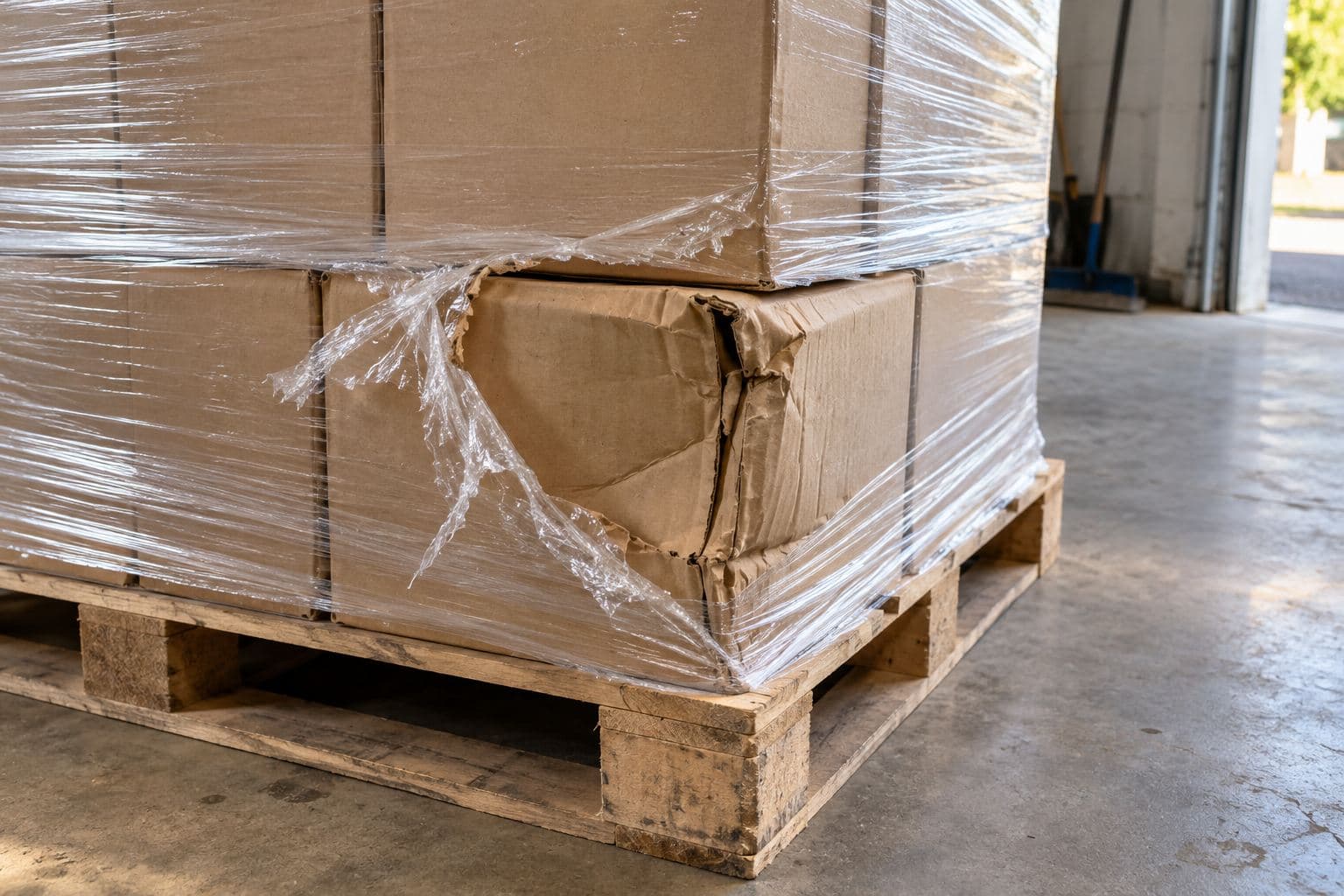
Open the goods in a safe place, taking photos of packaging as you go and saving wrap and cartons linked to damage. Count the contents separately; an intact pallet can still have a shortage or incomplete product.
Keep any wet or damaged electrical item out of use while its safety is unresolved. Only test what you can test safely. Never test swollen or damaged batteries, damaged cords, gas appliances, or anything recalled. A recall is a safety notice with steps set by the maker or regulator. Check the CPSC recall search and manufacturer notices before any product checks; CPSC is the US Consumer Product Safety Commission. Use the inspection guide for safe checks and truthful notes.
Separate damage notice from a formal claim
#Concealed damage is damage found after receipt that wasn't visible when delivered. The current Estes claim rules require notice to the local terminal, meaning its freight depot, within five days of receipt for such damage. You must also keep the packaging. They separately require the written claim to reach Estes within nine months of delivery. If the shipment never arrives, the page instead says to file within a reasonable time from shipment; ask Estes which deadline applies. Sending the notice isn't the same as filing the claim.
ABF's home-delivery guide asks for damage notice no later than 24 hours after delivery. These are carrier-specific instructions. Check the carrier agreement for your shipment rather than applying either deadline to every delivery.
For a claim file, keep the BOL and receipt, PRO reference, paid freight invoice, purchase invoice, photos, and the exact units affected. For covered interstate motor freight, 49 CFR 370.3 requires a written claim that identifies the shipment, says the carrier is liable, and requests a set or calculable sum. File it with the proper carrier within the time set by the BOL or transport contract. Damage notes on the receipt or an inspection report alone do not meet those rules. Keep records that support the sum requested. Ask which party should file under your arrangement, and retain packaging for inspection. A filed claim still needs review under the carrier's terms.
A supplier complaint concerns the purchase, such as missing listed items or wrong stock; the carrier handles transport loss or damage under its rules. B-Stock's dispute table lists seller-specific notice windows and evidence rules. Notify each party within its own deadline. One report may not reach the other.
If instructions conflict, get a written answer before buying and keep the versions you read. Don't wait for a long carrier claim period if the seller asks for evidence sooner.
If you collect with your own trailer
#Confirm pickup permission, cleared payment, release papers, site hours, and who puts the goods in your vehicle. Plan from actual weight and packed size. Ask what happens if your vehicle isn't suitable when you arrive.
Check trailer and vehicle ratings, tie-down equipment, and the plan for removing goods at home. FMCSA's cargo-securement rules govern covered commercial transport; check the rules for your vehicle and activity. A seller agreeing to collection doesn't settle those duties.
This guide is not legal, tax or financial advice, or operator training. The purchase agreement, carrier terms, and rules for your activity need their own review.
Keep freight charges with the purchase
#A later delivery charge can be missed when you review a pallet's costs. A notebook or spreadsheet works. On paid plans, PalletPro lets you record expenses and link them to a pallet. Keep quotes, shipping papers, and claim evidence in your own files beside those charges; see the app.
Sources
#- Shipping glossary - FedEx (checked October 1, 2026)
- FAQs about shipping truckload freight - ArcBest, July 31, 2024 (checked October 1, 2026)
- Shipping policies - Walmart Liquidation Auctions / B-Stock (checked October 1, 2026)
- Shipping methods - B-Stock (checked October 1, 2026)
- Amazon standard shipping rules - Amazon Liquidation Auctions / B-Stock (checked October 1, 2026)
- Freight shipping FAQs - Estes Express Lines (checked October 1, 2026)
- 2025 NMFC changes for carriers - NMFTA, changes effective July 19, 2025 (checked October 1, 2026)
- Preparing for an ABF Freight delivery at your home - ArcBest, August 20, 2025 (checked October 1, 2026)
- Powered industrial trucks - OSHA (checked October 1, 2026)
- Transportation glossary - Estes Express Lines (checked October 1, 2026)
- Recalls and product safety warnings - CPSC (checked October 1, 2026)
- Claims information - Estes Express Lines (checked October 1, 2026)
- 49 CFR 370.3: Filing of claims - eCFR, Office of the Federal Register / Government Publishing Office; displayed Title 49 currency September 29, 2026 (checked October 1, 2026)
- Dispute policy communications - B-Stock (checked October 1, 2026)
- Cargo securement rules - FMCSA (checked October 1, 2026)
Updated
More guides
- Resale certificates and sales tax for liquidation buyers
Understand resale forms, sales tax permits, state rules, and records before buying liquidation goods. Find official guidance for your purchase.
- How to calculate a liquidation pallet's landed cost
Add the pallet price, purchase fees, applicable sales tax, transport and other costs, then divide across sellable units with clear hypothetical math.
- How to check a liquidation supplier before buying
Check a liquidation seller's identity, inventory evidence, purchase terms, payment protection, complaint records and delivery obligations before buying.
- How to read liquidation manifests and condition grades
Read liquidation manifests, compare each seller's condition definitions, check unit counts, and keep supplier claims separate from inspection notes.