
Reseller guide
Appliance liquidation pallets and truckloads
Appliance liquidation goods can be returned, unused or damaged. Check the exact models and condition terms. Liquidation means selling stock a business clears; a pallet groups goods on a handling platform, while a truckload uses a dedicated trailer. Before buying, plan receiving space, qualified service help and disposal for units you can't safely offer.
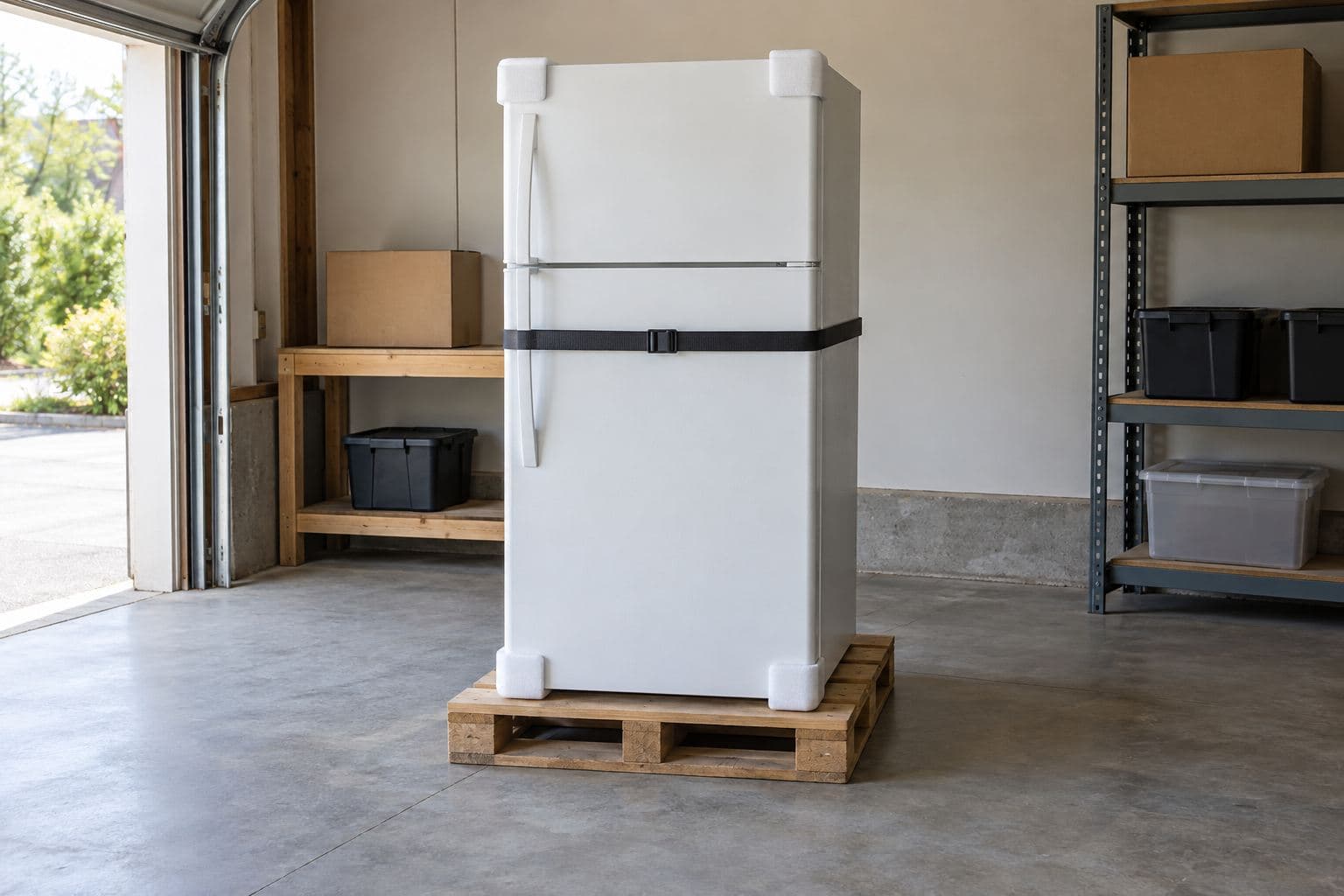
What appliance liquidation means
#Small countertop appliances and large household machines need different handling and checks. A condition grade is a seller's label for the goods' condition. As of October 2026, GE Appliances' liquidation FAQ describes buying by the “truckload” and requires approval for some product types. Check each seller's rules; GE's program applies to its own purchases. GE Appliances liquidation FAQ.
B-Stock defines scratch and dent as “Unused merchandise with signs of handling and/or warehouse exposure that is sellable without repairs needed.” That means unused goods affected by handling or storage. Its used grade can include faults affecting use or missing parts; mixed can include salvage, goods needing major repairs or intended for parts. Check your seller's labels. B-Stock product and packaging conditions.
Customer returns are products retail buyers send back; overstock is excess stock. Check operation, looks and parts. The liquidation glossary explains new terms, and the manifest and condition guide separates product condition from packaging.
What can arrive in the shipment
#Start with the manifest, the seller's stock list, and product details. One liquidator, a seller of cleared stock, says lists can include model, serial, count and function notes. A model names the version; a serial names one machine. Record both when available. Manifest information.
For each unit, check its type, size, fuel or power supply and known missing parts. Cooling, cooking and laundry machines need different space and service. Check the mix rather than guessing from a broad photo, and count complete machines as well as boxes.
Some appliance truckloads from Walmart's liquidation site ship on the trailer floor, without pallets. Its current full-truckload rules require a dock or forklift and exclude liftgate service. A dock is a raised receiving platform; a forklift is powered lifting equipment; a liftgate is a truck platform that lowers freight to the ground. Freight means commercial transport of goods. Compare these site rules with your shipment's terms. Walmart shipping policy.
Questions to ask before you bid
#A bid is your auction offer; a lot is the group offered as one purchase. Before you commit, ask:
- Which model and serial numbers are available? Which units need gas, water, drainage or a specific power supply?
- Who checked or tested the machines, what did they do and what written results will you get?
- Are shelves, hoses, feet, racks and the maker's required safety parts included?
- Does the offer describe looks and function separately?
- Must you have an approved service business or equipment to buy?
- What does a warranty cover, when does it start and can your buyer use it?
- What delivery equipment, removal deadline and damage-reporting steps apply?
For restricted product types, GE currently requires that you can service the goods and have an authorized technician audit your site. That's a check of your premises. Its linked T-11 safety standards cover professional safety checks. Arrange a qualified check before buying; these aren't home testing instructions. GE Appliances liquidation FAQ.
GE's FAQ currently advertises a one-year functional warranty, covering operation. The full linked terms haven't been verified here. Before promising coverage, get written confirmation for your serial number and eligible claimant: start date, exclusions, transfer rights and how costs are paid back. Other programs need their own warranty check. GE Appliances liquidation FAQ.
Read the purchase contract for resale duties and rules on retailer names. Get a full dated invoice and transport quote, including extra receiving services. The supplier checks guide covers the rest.
What to check on arrival
#Photograph packaging and visible damage before separating units. Match the shipment to the invoice and manifest; record shortages or wrong models. Note damage from transport on the delivery receipt, then follow both the carrier's and seller's notice rules. The freight guide explains these records.
For each machine, record the model and serial, front and rear photos, surface damage, missing parts, safety questions and next steps. Distinguish door dents from wiring damage, and get a service report even if it looks tidy.
Before you test, search the model in the CPSC recall database and check with the maker. CPSC is the US Consumer Product Safety Commission. A recall names a safety problem and the required response. Selling recalled goods is banned; keep them out of listings and follow the notice. CPSC seller safety FAQs.
Keep units with open safety or recall questions apart from stock ready to list. Record damaged cords and other suspect parts so a condition label doesn't hide them.
What to test first
#Only test what you can test safely. Never test gas appliances yourself. Don't turn on recalled items or those with damaged cords or swollen or damaged batteries. Have a qualified professional check gas equipment and electrical damage. Whirlpool's gas-range instructions require qualified installation and service, with the anti-tip bracket connected and reconnected if the range moves. That bracket helps prevent tipping. Have the qualified provider follow the exact model's instructions and their own rules. Whirlpool gas-range installation instructions.
For small appliances, check ID, recalls, parts and the maker's safe-use instructions before testing. For mixed kitchen stock, see home goods. For major ones, agree with your qualified provider on functions, safety checks and written results. Refrigerant is the substance that flows through a cooling system's circuit, the path that carries it. Work on that circuit that could release it needs the right Section 608 technician certification, proof they qualify for this work. Arrange it with a qualified provider. EPA is the US Environmental Protection Agency. EPA technician certification requirements. A power light alone can't prove safe use or that heating, cooling or washing works.
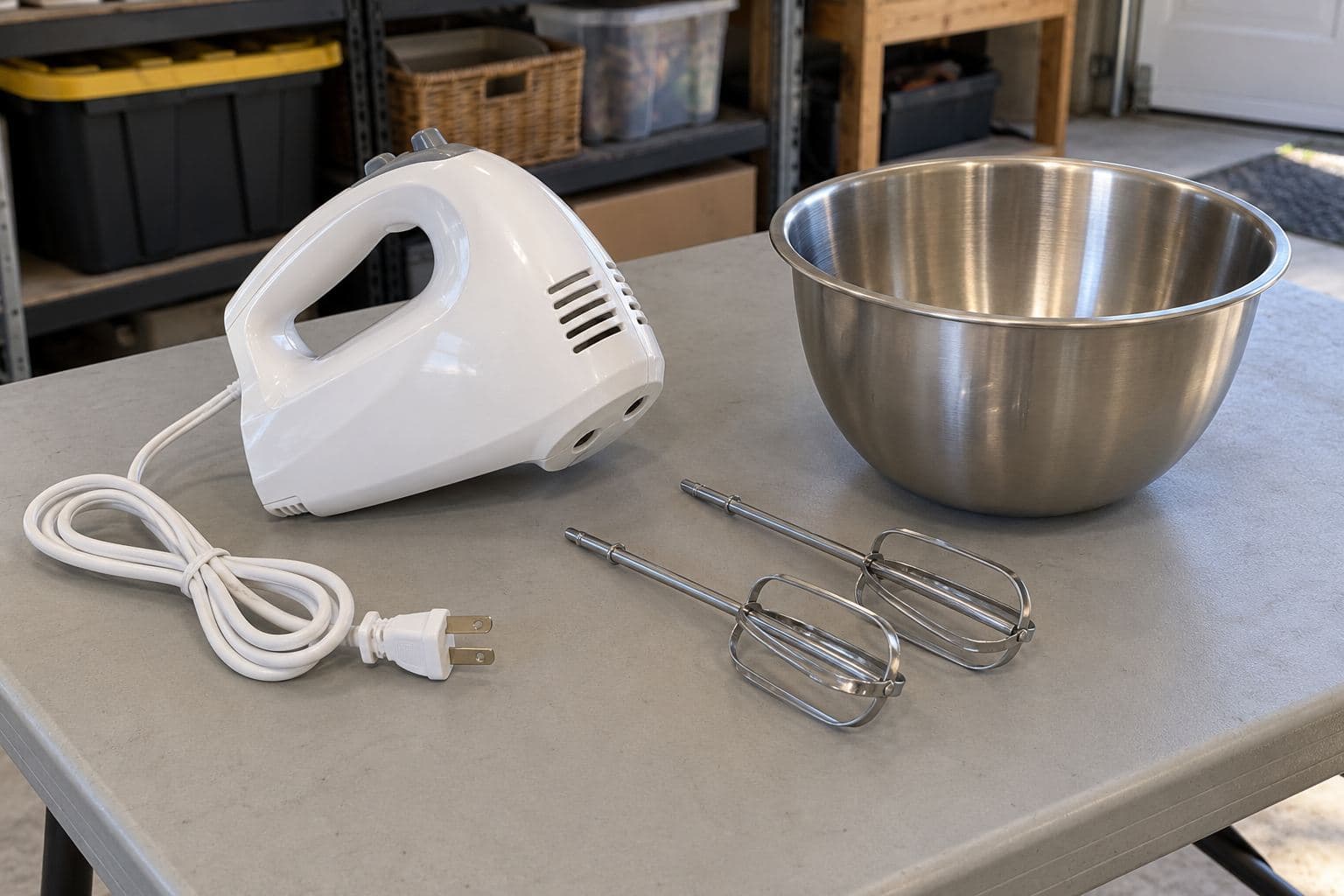
Write what was checked. “Powers on; other functions untested” is a partial result. Untested means function hasn't been confirmed; don't call it working. Keep the provider's name, date, checks, repairs and open faults in your service record. The inspection and testing guide covers the shared process.
Before listing, describe the parts, surface flaws, checks done and warranty terms. Choose the selling site's current condition label separately from your test record.
Space, handling and moving it
#Before delivery, measure the route and storage space, including doorways and room to move equipment. Plan equipment and trained help for the weight. See furniture pallets and truckloads for more on bulky goods.
Read your exact model's manual before moving a fridge or turning it on. The older GE manual requires upright transport for its models; it gives no single waiting time for every transport position. GE refrigerator manual.
ABF currently leaves ordinary home freight deliveries curbside, near the driveway or street; inside movement needs separate plans. Agree on your customer's delivery in writing: stairs, placement inside, hookups and removal of their old appliance. ABF residential delivery guidance. See the local selling guide for handover and payment records.
Plan for rejected units too. Refrigerant recovery means removing and collecting it rather than releasing it. EPA currently makes the final disposer responsible for making sure it's recovered before final disposal. A signed recovery statement must give the recovery person's name and address and the date. EPA allows certain contracts too, but its regular-commercial-supplier option excludes infrequent suppliers. A sticker alone isn't enough.
EPA defines small appliances as equipment fully made, charged and sealed in a factory with five pounds or less of refrigerant. Recovering it for disposal from this group doesn't require Section 608 technician certification. Recovery-equipment rules still apply. This exception covers disposal, not service on the refrigerant circuit. EPA certification and disposal explanation. EPA safe disposal requirements.
Don't cut refrigerant lines or make up your own disposal method. Ask your town, utility or recycler what it accepts, which services it needs and what it charges. Other hazardous parts need proper handling too. EPA appliance disposal. This is not legal, tax or financial advice; check local installation and disposal rules for the exact item.
How the cost works
#Landed cost is the price plus the costs you include to bring goods to you. Break-even means receipts cover those costs. Count professional checks, parts, delivery and disposal, even if the auction focuses on the goods' price.
Made-up example: round numbers show the math, rather than real prices or repair results.
| Calculation | Amount |
|---|---|
| Merchandise purchase | $1,000 |
| Freight | $300 |
| Sales tax charged | $100 |
| Buying total: $1,000 + $300 + $100 | $1,400 |
| Sellable appliances after checks | 7 |
| Buying cost per sellable unit: $1,400 ÷ 7 | $200 |
| Professional service and parts | $300 |
| Rejected-unit disposal | $100 |
| Customer delivery costs paid by you | $300 |
| Receipts needed to cover included costs: $1,400 + $300 + $100 + $300 | $2,100 |
| Equal receipt per unit if all 7 sell: $2,100 ÷ 7 | $300 |
Add labor, storage and selling fees if incurred; they're left out here. Check demand and each machine's asking price separately. If only five machines are sellable, $1,400 comes to $280 per unit. Use the pallet profit calculator and landed-cost guide with your quote. A resale certificate is paperwork for purchases that qualify under resale tax rules. Check the tax-document guide to see whether your purchase is exempt.
Keeping service decisions visible
#A notebook or spreadsheet works for matching each machine to its condition, service report and next step. PalletPro records each item's condition and one of three test labels: “Tested — works”, “Untested” and “Not working”. Keep the full provider report separately so the short label doesn't hide what was checked. See the app
How this guide was written
#This guide was compiled from the public sources listed below. Checked on October 1, 2026. PalletPro doesn't sell pallets and isn't affiliated with any retailer, liquidator or marketplace named here. Program grades and rules apply within their stated scope. Full warranty terms and installation rules for the whole country weren't confirmed.
Sources
#- GE Appliances liquidation FAQ - GE Appliances Liquidation Auctions / B-Stock (checked October 1, 2026)
- What are the B-Stock Product and Packing Conditions? - B-Stock (checked October 1, 2026)
- How can I tell exactly what condition each item in an auction is in? - Direct Liquidation, updated April 27, 2023 (checked October 1, 2026)
- Shipping policies - Walmart Liquidation Auctions / B-Stock (checked October 1, 2026)
- Recalls & Product Safety Warnings - US Consumer Product Safety Commission (checked October 1, 2026)
- Online Sellers Safety Guide FAQs - US Consumer Product Safety Commission (checked October 1, 2026)
- Installation instructions: 30-inch freestanding and slide-in gas ranges - Whirlpool, document 9761413B (checked October 1, 2026)
- Refrigerator use and care & installation guide: side-by-side models 20, 22, 24 and 27 - GE Appliances, older model-specific manual (checked October 1, 2026)
- Preparing for an ABF Freight delivery at your home - ArcBest / ABF Freight, August 20, 2025 (checked October 1, 2026)
- Stationary refrigeration safe disposal requirements - US Environmental Protection Agency (checked October 1, 2026)
- Appliance disposal - US Environmental Protection Agency, updated July 8, 2026 (checked October 1, 2026)
- T-11 Safety Standards - GE Appliances, hosted by B-Stock, legacy document linked from current FAQ (checked October 1, 2026)
- Section 608 Technician Certification Requirements - US Environmental Protection Agency, updated July 15, 2026 (checked October 1, 2026)
- EPA’s Refrigerant Management Program: Questions and Answers for Section 608 Certified Technicians - US Environmental Protection Agency (checked October 1, 2026)
Updated
More guides
- Bass Pro liquidation pallets: source and safety checks
Understand third-party Bass Pro pallet claims, check outdoor inventory and resale restrictions, and plan inspection, freight and costs before buying.
- Case-pack liquidation: counting and selling repeated units
Count case-pack liquidation units, check their condition, and plan single-unit or bulk sales while keeping remaining quantities and costs in your records.
- Clear wrap premium pallets: what you can verify
Separate clear wrapping from condition and testing, request pallet-specific evidence, and compare the full cost before buying a premium-labelled pallet.
- Electronics liquidation pallets: testing and locks
Check electronics liquidation pallets for missing accessories, account locks, private data and battery hazards before you buy, test or list items.