
Reseller guide
Selling liquidation items locally: listing and pickup
To sell liquidation items locally, check each unit and show its condition and size. Agree on pickup and payment before meeting. Let the buyer inspect it with you, take payment before it leaves, then record the sale after handover. A buyer saying they want it hasn't bought it yet.
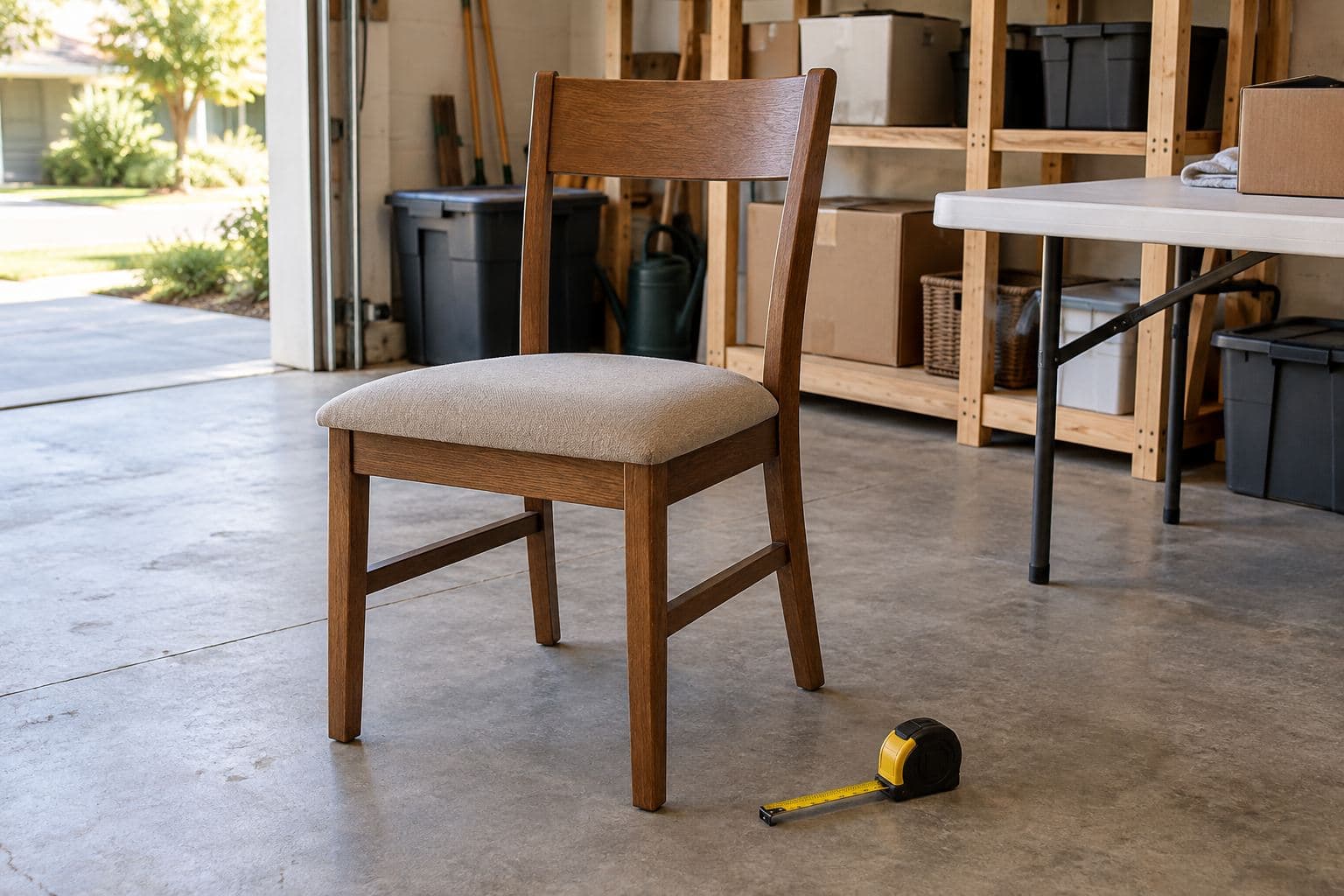
Decide what you can hand over locally
#Furniture, bulky storage pieces and fragile household goods can suit pickup if you can describe them and move them safely. Local demand needs its own check. Compare pickup with packing, postage and returns in the eBay guide.
Start with items you can name and describe. Chairs on one pallet may have different faults: a damaged joint or missing hardware. Keep each unit's photos and notes together. Group units only after checking that their condition and contents match.
Before listing, search the CPSC recalls database by maker and model, and check the maker's recall and safety notices. As of October 2026, selling recalled products is unlawful. CPSC's online resale FAQ allows resale after the stated remedy is applied and disclosed in the listing. Set unresolved items aside.
Only test what you can test safely. Don't test swollen or damaged batteries, damaged cords, gas appliances or anything recalled. Set them aside and follow CPSC and maker guidance. For children's products, food-contact and personal-care goods, check missing parts, cleanliness and resale rules. Check safety even if the surface is clean. Follow inspection and testing before listing.
Photograph and measure the actual item
#Take photos of the whole item, sides, underside, included parts and damage. Light scuffs clearly. Keep past customers' names, addresses and order details out of view. A stock photo, a sample image of the product, can leave buyers unsure about your returned unit.
For furniture, measure width, depth and height once built, plus seat height or other sizes that affect use. Label box and built sizes separately. Say whether you measured it or used checked maker details; don't guess from the carton.
Check how the item goes together. One furniture piece may span cartons, and a sealed hardware bag may be wrong. If you can't build it safely, explain what you checked and what's unknown. The furniture inspection guide covers multi-carton pieces and handling.
Take a close photo of each fault, even if it shows elsewhere. For repeated stock, use photos that match each unit's wear.
Write a listing that answers pickup questions
#Use a plain product name and confirmed model or size where relevant, then describe its condition. The liquidation label says too little. Include these points where they apply:
- Condition, including wear, damage, odors and missing parts.
- Included parts, such as shelves, hardware, chargers or extras.
- Checks you've done and functions left untested.
- Size once built and in the box, with clear labels.
- Whether it's built and what help it needs to carry.
- General pickup area, times and payment method.
For a partial check, write “Powers on; other functions untested.” Don't shorten it to “tested” or claim full working order from looks. Name known faults; “as-is” tells buyers less than the failed function.
The listing-text tool can arrange notes; check each sentence against the item. Give buyers a general area to judge the trip. Keep your address out of the public listing and share meeting details once pickup is agreed.
Set your asking price using the known product, similar condition and your costs. Active listings show asking prices. Your received local payments can guide later pricing; the pricing guide keeps those figures separate. For stock that stays unsold, see slow-stock exit plans.
Plan a safer meeting
#For portable items, meet in a well-lit public place with people nearby, or a police-station exchange zone where available. Check local police details and access rules. Portland Police's marketplace safety guidance, published June 11, 2026, advises public meeting places, exchange zones and bringing another person when possible.
For bulky furniture collected from storage, use a garage doorway or prepared area away from your home's interior. Have another adult present where practical, hide unrelated stock and clear the carrying route. Ask buyers to bring suitable help and a vehicle that fits. Don't attempt a lift you can't manage safely.
Agree on checks before the buyer travels. If an exchange zone has no outlet or space to show the item working, explain that and share your check notes. Decline unsafe tests. End the meeting if a change in the plan concerns you.
Handle holds and no-shows before pickup day
#Use a consistent hold rule: until the agreed pickup or until the buyer confirms they're leaving. Explain the rule and end time in messages. Don't promise one unit to two people for overlapping pickups.
Confirm the item, amount, place, time and payment method in writing; ask buyers to message about delays. For a no-show, send one follow-up and apply the deadline. Agree again if you reschedule. An open-ended hold can tie up stock indefinitely.
Use “pending pickup” to track the plan separately from sold status. Tell the buyer when a hold ends before arranging another pickup. Marketplace hold controls vary.
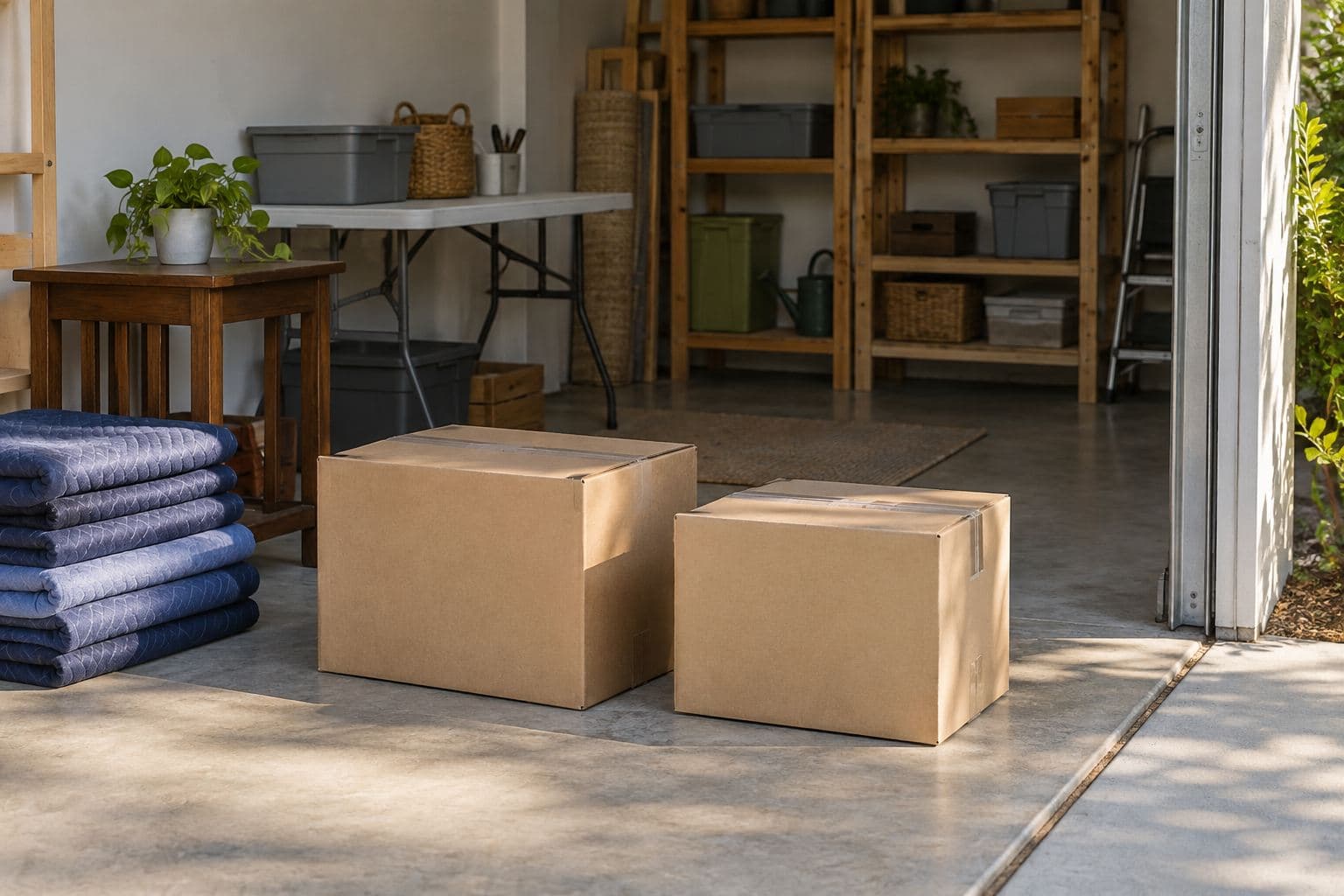
Inspect together, then take payment and hand over
#Show the pictured unit, its condition, disclosed damage and included parts to the buyer. For furniture, check size and assembly state against the listing. Stick to agreed safe checks; don't improvise hazardous tests at handover.
If you find a new fault, stop and correct the details. The buyer can decline or agree to a revised price; record that change. Disclose faults even if the buyer rushes their check.
Take payment before the item leaves, and count cash together. For electronic payment, open the provider yourself to check payment and status. A screenshot, email or buyer's phone display isn't proof you've been paid. Understand reversal and seller-protection terms before accepting it.
Watch for fake payment notices, overpayment checks, false refund requests and requests for codes, as covered in the FTC's online selling scam guidance. Don't share codes or return an alleged excess payment based on a message. The FTC advises against mobile payments from strangers; consider that caution when choosing your method.
Once you've checked payment, hand over the item, then record the sale. If pickup is postponed, note the payment and pickup still due separately. Mark it awaiting pickup.
Record the result and clear other listings
#Keep the date, item ID, amount paid, payment method, sale costs, agreed item details and relevant messages. For later buyer complaints, see returns and refunds. Include cash sales. The IRS recordkeeping page calls for proof of business purchases and sales.
After a sale, remove or update other listings. For matching units, reduce the count and recheck photos and condition notes before listing the next.
Track costs apart from revenue: assigned purchase cost, prep, selling fees and delivery costs you paid. The landed-cost guide covers costs of getting stock to you. Subtract expenses from revenue to see what's left.
Check contracts and local tax requirements
#Check your purchase contract before advertising. Currently, the cited Amazon purchase terms and Target purchase terms limit retailer identification in resale activity. Discussing retailers in a guide gives no right to use their names in ads.
Check your platform's product rules, payment terms and account fees. Local listings and payments may have charges. Ask your state's tax authority about sales-tax signup, collection and resale-certificate rules. Resale certificates are paperwork for purchases that qualify for resale. New York's exemption-certificate guidance covers one state; rules elsewhere may differ. This guide is not legal, tax or financial advice.
Keeping completed pickups straight
#For several pickups, keep each completed sale with its stock record. A notebook or spreadsheet works. PalletPro lets you mark an item sold with its sale price, fees and shipping, including several units from an item with a quantity. Enter the local sale after payment and handover. See the app
Sources
#- Recalls & Product Safety Warnings - US Consumer Product Safety Commission (checked October 1, 2026).
- For Buying and Selling Products Online - US Consumer Product Safety Commission (checked October 1, 2026).
- PPB Urges Caution When Buying and Selling Items Online - Portland Police Bureau, June 11, 2026 (checked October 1, 2026).
- Selling stuff online? Here's how to avoid a scam - Federal Trade Commission, July 27, 2022 (checked October 1, 2026).
- What kind of records should I keep? - Internal Revenue Service (checked October 1, 2026).
- Amazon US Terms of Purchase - Amazon.com Services, LLC / B-Stock, updated January 29, 2026 (checked October 1, 2026).
- Target Terms of Purchase - Target / B-Stock, revised November 11, 2025; also displays March 15, 2021 (checked October 1, 2026).
- Exemption Certificates for Sales Tax - New York State Department of Taxation and Finance, issued March 26, 2010; updated January 21, 2026 (checked October 1, 2026).
Updated
More guides
- Selling liquidation items on eBay: condition and costs
List liquidation returns on eBay using verified condition, comparable sales, current fees and shipping costs, with a clear plan for packing and returns.
- Selling liquidation items on Whatnot: prep and fees
Prepare liquidation items for Whatnot, choose supported conditions, calculate current seller fees, set auction starts, and pack orders within the deadline.
- Handle reseller returns and refunds step by step
Handle buyer returns on eBay, Whatnot and local sales. Check case deadlines, inspect returned goods, and record refunds and stock changes.
- Make an exit plan for slow resale inventory
Review slow resale stock, test a price change, compare bundles and local sales, and plan safe donation or disposal while keeping costs and counts clear.