
Reseller guide
Bass Pro liquidation pallets: source and safety checks
Bass Pro liquidation pallets are third-party offers of stock claimed to come from Bass Pro Shops. No official public retailer liquidation program was verified. Buy from the item list and written terms, with outdoor-product rules settled before payment.
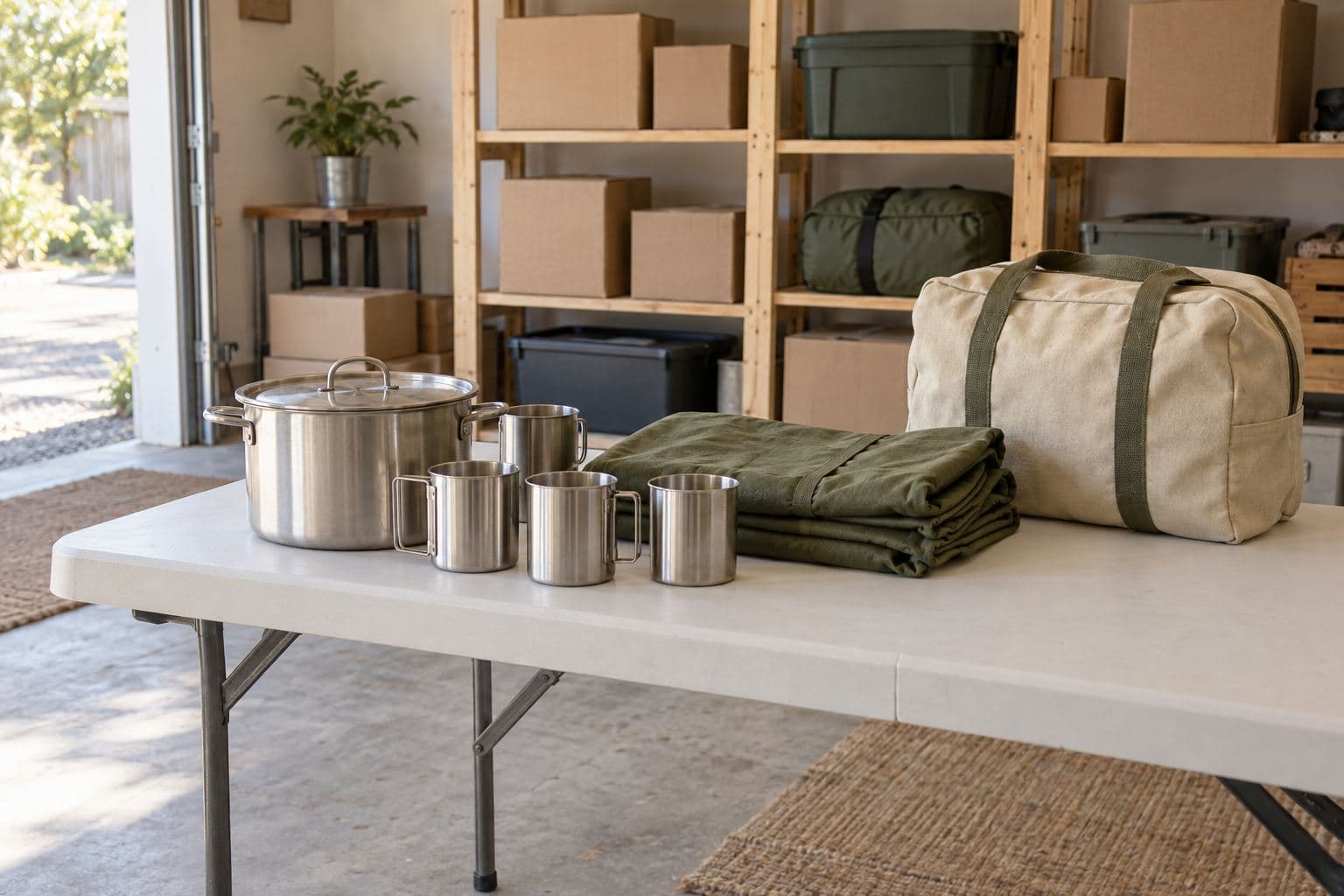
What the Bass Pro label shows
#As of October 2026, a third-party sporting-goods offer names Bass Pro alongside Dick's Sporting Goods and lists “RETURNS / OVERSTOCK / BOX DAMAGE”. Returns are goods buyers sent back; overstock is excess stock. The ad doesn't prove the pallet's source, an exclusive supply deal or that the retailer runs the offer.
The official Bass Pro retail return policy covers shoppers' returns. A liquidator, a seller of stock being cleared out, uses a separate sale agreement. Private disposal deals may exist despite no verified public program.
Camping gear is sporting stock even when its retailer source is unknown; see sporting goods liquidation pallets. For a Bass Pro source claim, ask for records linked to the goods you're buying.
What usually arrives is not confirmed
#The offer lists fishing, outdoor, camping and apparel goods, bike racks, kayaks and bikes, plus “Guns & Ammo”. Get a checked manifest, an item list with counts, and exclusions by product type. The ad proves no gun or ammo contents in ordinary pallets and grants no right to a regulated sale.
Bass Pro's retail policy excludes firearms and ammunition from routine returns for safety, along with other named goods. Damaged or faulty ones require direct customer-service contact. Check the pallet: a liquidator's list may differ from routine shopper returns. The retail policy gives no wholesale pallet contents.
There's no supported standard mix, sellable share or rule for passing on a warranty. Ask which goods are returns or surplus (extra stock), how they were checked and whether photos show your stock. A bag, incomplete tent and used safety device need different checks.
Questions to ask before you bid
#Get a manifest by product type, actual-pallet photos, written condition terms and source proof. Is it mixed-retailer stock or one retailer's goods? Ask who bills you, which site ships it and which substitutions the contract allows.
Get a written quote naming the goods, the unit you're buying and freight, the transport of goods.
Check your right to possess, list, transfer and ship restricted goods separately. These selected US rules are a starting point, not a full list of permissions.
| Product category | Rule to resolve before buying or listing |
|---|---|
| Firearms, receivers and parts | ATF licensing guidance covers business firearms sales. ATF's frame and receiver guidance explains why some key gun body parts count as regulated firearms. Ask a qualified licensee to classify the exact item and advise on transfer. eBay bans firearms and incomplete receivers, allowing only named parts with domestic-shipping and other limits. Whatnot bans firearms, parts and ammunition, with a separate allowed-accessory list. |
| Ammunition | ATF says ammunition-only sales need no federal firearms license. Making and importing it differ. Check state rules: California DOJ describes ammunition-vendor licensing. New York law requires ammunition-seller registration, exempting licensed firearms dealers, plus sale records and specific transfer steps. |
| Knives | Check the design and how it opens. eBay's knife policy bans listed designs, including switchblades and butterfly knives. Whatnot's knife policy limits sales to domestic transactions in supported countries. California section 21510 bans specific transactions involving switchblades with blades at least two inches long. |
| Optics | Whatnot allows certain scopes and sights. Shipping abroad needs a separate export review. BIS classification guidance tells exporters to match technical specs to an Export Control Classification Number (ECCN), a code that classes goods for export, and seek help if needed. Get the item's classification and destination review before offering delivery abroad. |
| Bows and archery equipment | Whatnot's restricted-item policy allows named archery items subject to law in both locations. Check safety and completeness separately. For otherwise mailable arrows or broadheads, USPS sharp-instrument packaging rules require a strong container and padding to keep sharp points or edges from cutting through it. This rule doesn't approve every bow or destination. Get a competent assessment of the actual model. |
| Fuel canisters | USPS gas rules allow qualifying propane and butane only under specific limited-quantity surface conditions. Whatnot's restricted-item policy bans fuel and items containing it. Used containers can hold hazardous residue. Check the mailing rules even if a canister looks empty. |
This guide is not legal, tax or financial advice and is not authorization to possess, sell, transfer or ship restricted goods. Consult a qualified attorney, the relevant licensing authority and the carrier before a restricted transaction. These examples aren't a 50-state survey. Resolve rules for your location, the buyer's destination, the product's legal class, channel and carrier with qualified help as needed. If you can't handle a category lawfully, get a written exclusion and remedy if it appears.
Get the source contract's ad and resale limits. Retailer names here give no right to use them in resale ads. Ask how sales tax and a resale certificate, a tax form for goods bought to resell, apply. See the glossary.
What to check on arrival
#Take pallet and packaging photos before unpacking. Match goods to the manifest and report mismatches by the contract's deadline. Start with ordinary stock you can identify. Keep restricted goods with unresolved issues out of listings. If a suspected regulated or hazardous item appears, stop handling and get qualified instructions.
Check fabric gear's size, pieces, stains, odors and wear before choosing its listing condition. Take photos of what's included. Keep each model's accessories with that model. For gear used with food or against the body, follow the maker's cleaning steps and disclose signs of prior use. Don't call it unused just because you've cleaned it.
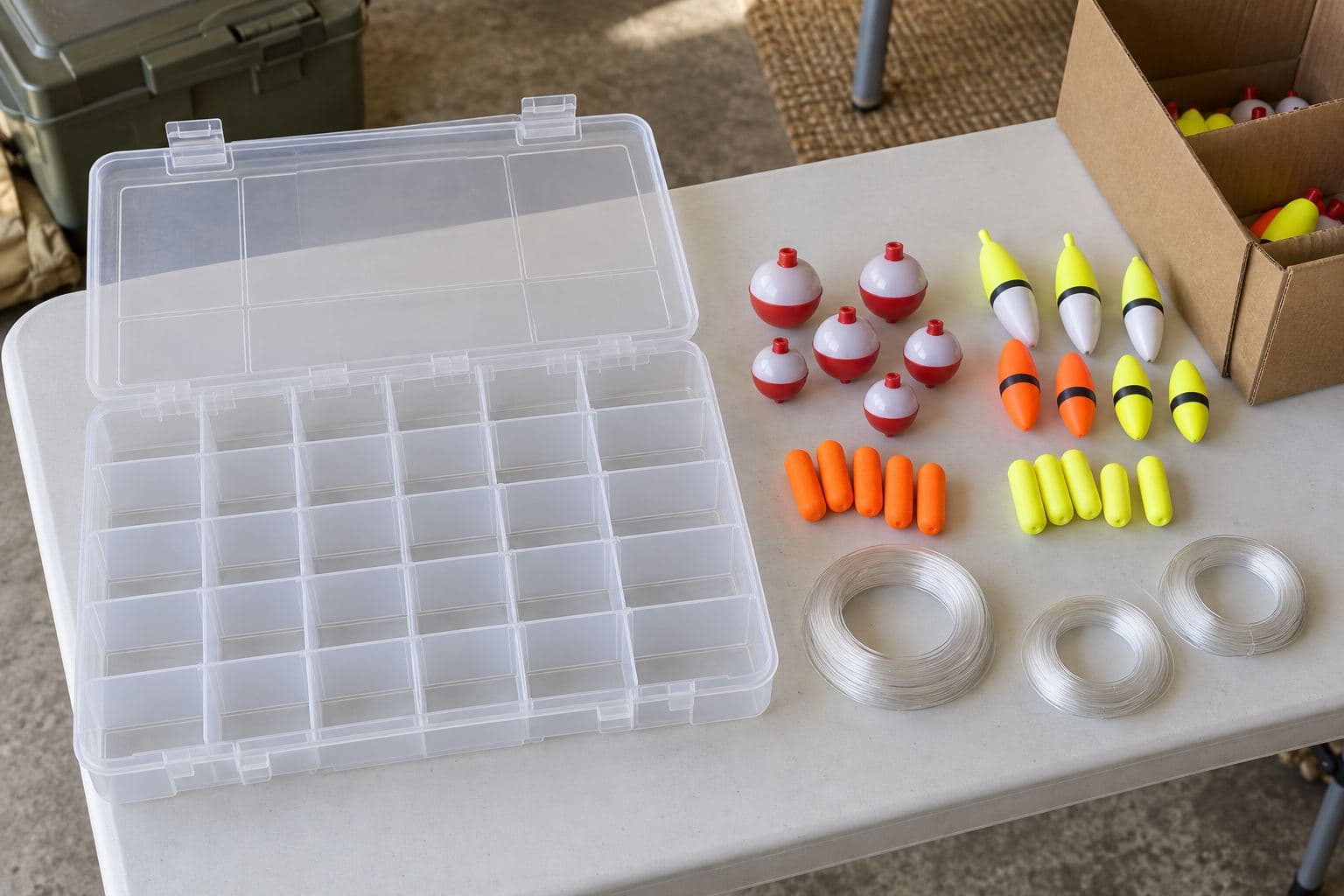
Use the CPSC recalls search with the product ID, then ask the maker. CPSC resale guidance bans offering recalled goods. Hold them and follow recall steps. If the maker confirms a completed recall remedy, the required fix, permits resale, keep proof and disclose it.
What to test first
#Only test what you can test safely. Don't test swollen or damaged batteries, damaged cords, gas appliances or anything recalled. Check the item's ID, parts and safety before showing how it works. Unfamiliar restricted goods need a qualified specialist.
Use the model's instructions and record check limits. Follow inspecting and testing liquidation returns. Check for use even in clean boxes. Label partial function checks as partial in listings.
Space, handling and moving it
#Get bulky goods' size and weight before agreeing to pickup or delivery. A kayak or assembled bike needs space beyond the pallet. Keep accessories apart from goods awaiting decisions, with each product's own hardware.
USPS bans live ammunition and gunpowder. UPS's ammunition guidance gives a ground-service route for qualifying cartridges under set conditions. It gives no permission to ship unidentified mixed ammunition. Get carrier instructions for the specific allowed product before promising delivery.
For ordinary bulky stock, local selling guidance covers pickup. Settle safety and transfer rules before local handover, too.
How the cost works
#Made-up example: goods cost $900, purchase tax is $50, freight is $200 and receiving supplies cost $50. After checking condition and restrictions, 40 units are sellable.
| Calculation | Result |
|---|---|
| Buying total: $900 + $50 + $200 + $50 | $1,200 |
| Buying cost per sellable unit: $1,200 ÷ 40 | $30 |
| Extra selling costs, assumed | $200 |
| Receipts needed to cover these costs: $1,200 + $200 | $1,400 |
| Average receipt if all 40 units sell: $1,400 ÷ 40 | $35 |
This excludes labor and unstated specialist or disposal costs. Leave goods awaiting legal or safety decisions out of the sellable count. Use the pallet profit calculator with actual counts and included costs.
Keeping the counted units consistent
#Use the same sellable-unit count for costs and stock records. A notebook or spreadsheet works. PalletPro splits a pallet's purchase cost plus sales tax evenly across its sellable units. Keep freight and other costs separate for the full purchase cost. See the app
How this guide was written
#This guide draws on public sources below. Checked on October 1, 2026. An official public retailer liquidation program and a supplier's right to sell a given shipment remain unverified. PalletPro doesn't sell pallets and isn't affiliated with any retailer, liquidator or marketplace named here.
Sources
#- Sporting goods liquidation offer - Third-party wholesale supplier (checked October 1, 2026).
- What is your return policy? - Bass Pro Shops (checked October 1, 2026).
- Federal firearms licenses - US ATF, updated August 27, 2026 (checked October 1, 2026).
- Summary of the frame and receiver rule - US ATF, updated January 26, 2026 (checked October 1, 2026).
- Firearms and accessories policy - eBay (checked October 1, 2026).
- Firearm, firearm parts and ammunition policy - Whatnot, June 2, 2025 (checked October 1, 2026).
- Ammunition vendor requirements - California DOJ (checked October 1, 2026).
- Penal Law section 400.03 - New York State Senate, revision July 21, 2023 (checked October 1, 2026).
- Knives policy - eBay (checked October 1, 2026).
- Knives policy - Whatnot, February 5, 2026 (checked October 1, 2026).
- Penal Code section 21510 - California Legislature, operative January 1, 2012 (checked October 1, 2026).
- Interactive Commerce Control List - US Commerce / BIS, classification instructions (checked October 1, 2026).
- Prohibited or restricted items - Whatnot, August 17, 2026 (checked October 1, 2026).
- Publication 52 section 342, gases - USPS (checked October 1, 2026).
- Publication 52 section 443, packaging and marking - USPS (checked October 1, 2026).
- Recalls and product safety warnings - US CPSC (checked October 1, 2026).
- Stopping the online sale of recalled products - US CPSC (checked October 1, 2026).
- Resellers guide to selling safer products - US CPSC Small Business Ombudsman, May 2021 (checked October 1, 2026).
- Publication 52 section 341, explosives - USPS (checked October 1, 2026).
- How to ship ammunition - UPS (checked October 1, 2026).
Updated
More guides
- Case-pack liquidation: counting and selling repeated units
Count case-pack liquidation units, check their condition, and plan single-unit or bulk sales while keeping remaining quantities and costs in your records.
- Clear wrap premium pallets: what you can verify
Separate clear wrapping from condition and testing, request pallet-specific evidence, and compare the full cost before buying a premium-labelled pallet.
- Electronics liquidation pallets: testing and locks
Check electronics liquidation pallets for missing accessories, account locks, private data and battery hazards before you buy, test or list items.
- Furniture liquidation pallets and truckloads
Compare boxed and assembled furniture, check missing parts and upholstery rules, and plan inspection, storage, delivery and purchase costs.