
Reseller guide
Buying Amazon liquidation truckloads
You can buy Amazon-origin liquidation goods through Amazon's official buying site or a business reselling them. Liquidation means goods cleared from a business, including excess stock and customer returns, which are items customers sent back. A truckload is a purchase at truck scale; contents and condition depend on the offer. Before you bid (offer a price), verify your seller, the shipping program and the resale limits in the contract.
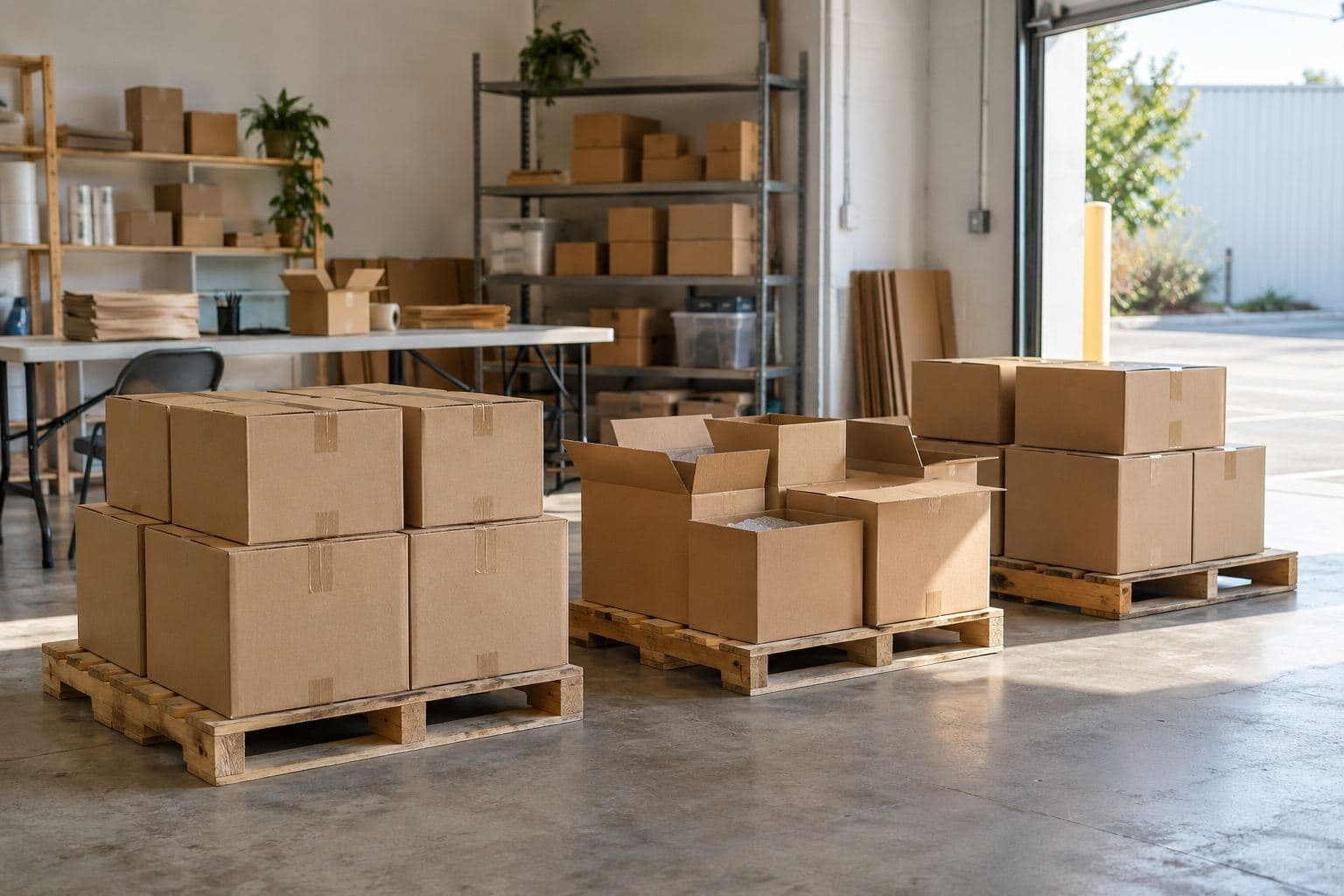
Know which buying route you're using
#As of October 2026, the cited platform and contract rules apply. Amazon Liquidation Auctions identifies itself as Amazon's official business-to-business storefront on B-Stock. A storefront is a seller's section of a buying site. An auction is a sale where buyers compete by offering prices, called bids. Business-to-business means one business sells to another. Qualified US business buyers can buy goods directly from Amazon here.
Its FAQ lists Amazon-owned goods and goods held for other sellers, including overstock and warehouse-damaged goods. Overstock means excess stock. Warehouse-damaged means goods were damaged during warehouse handling. Check the offer for which goods and how.
FBA stands for Fulfillment by Amazon, the service in which Amazon stores and ships goods for other sellers. Amazon staff also describe FBA Liquidations, a program sellers use to clear excess or returned stock. That's another route into wholesale trade: businesses buying groups of goods to resell.
If you buy from a liquidator, a business selling cleared goods, ask for proof of origin and your purchase terms. Amazon origin and a current direct Amazon contract need different proof. The cited sources don't give a complete current list of approved outside buyers or sellers.
Get the seller's name on your bill and confirm who handles complaints. Use the supplier-checking guide before sending payment. For the auction platform itself, read buying through B-Stock.
Check approval and tax paperwork first
#The US storefront's buyer rules limit access to the lower 48 states and require a valid resale certificate. Applying is free. A resale certificate is state tax paperwork for qualifying goods bought to resell. Before bidding, get your papers ready and check that the seller has approved your account.
Check the tax rules for each purchase, including goods you keep, even if your form was accepted before. The resale certificate and sales tax guide explains those checks.
The purchase contract requires ATEP enrollment within three business days of the winning notice. ATEP is the Amazon Tax Exemption Program, which collects tax-exemption paperwork. A business day usually excludes weekends and holidays. It also requires a wire, a bank transfer you arrange, within two business days of auction end. Read the terms dated January 29, 2026.
B-Stock's payment update says its new checkout and previous payment processes coexist. You choose payment when bidding. Digital payments are processed after a win; wires remain manual. Before bidding, confirm your payment flow and agreement. Get a written answer if checkout and contract instructions differ.
Public contract dates also differ. The storefront's terms page is dated September 3, 2020, while the hosted PDF linked above is dated January 29, 2026. Save your listing's agreement and ask which version applies.
Read the item list and condition before bidding
#A lot is the group sold; a manifest is its item list. Save the listing, manifest and terms with the lot's ID and date. Keep copies outside the site to check against the goods later. More terms are in the glossary.
Ask what the count means. Pallets are flat bases used to move goods; cartons and complete items are different units. For products with several parts, check the descriptions for missing parts and unknown function as well as carton counts.
The storefront separates product condition from packaging condition. Its condition page says mixed condition can include salvage, meaning goods needing major repairs or suited only to parts use. Non-original packaging means goods have been packed again in plain boxes or other protective material. Check whether each item works after it arrives.
The FAQ says advance inspection isn't available and photos may be sample images. Work from the actual written description. A retail total refers to retail prices; keep it apart from money received from buyers. Check each product and choose an asking price after arrival. For large item counts, see high-piece-count truckloads.
Read manifests and condition grades. For tracking codes, see Amazon LPN pallets. If you're comparing a seller's “mediums,” meaning its size group for goods, use the Amazon medium truckload guide to understand why those labels vary.
Include shipping when you set a bid limit
#A proxy bid lets the platform bid on your behalf up to the maximum you enter. See B-Stock's proxy-bid help. The Amazon FAQ describes extensions, added time when bids arrive near closing. Read those rules; a winning bid commits you to buy.
Put the full cost beside your bid limit. A buyer's premium is an auction fee added to the bid, sometimes under another name. Check your listing's fee. B-Stock's buying and payment guide says its fee depends on purchase size. Don't apply the Supply storefront's stated percentage to every Amazon sale.
Freight is transport by a carrier, the company moving goods. Add freight, payment charges, tax and receiving costs. Landed cost is what you pay to get goods to your receiving place. Budget for parts, storage and disposal, too.
Made-up example: a goods bid of $4,000, an assumed buyer fee of $200 and freight of $800 total $5,000 before any other charges. That $200 is made up for the example, not an Amazon fee quote. Use the landed-cost guide and your listing's figures to set your limit.
Match the shipping program to your receiving place
#The standard shipping rules bar buyer pickup and use of your own carrier. Orders may take up to 28 days after payment to ship, and may arrive in separate freight shipments or parcels, smaller boxed shipments. The 28 days covers departure, rather than arrival. Pallet counts and weights shown in the listing are estimates.
The same page lists these B-Stock Blue charges: a $50 liftgate fee and a $50 residential delivery fee. A liftgate is a truck platform that lowers goods to the ground; residential means delivery to a home address. Blue buyers must unload the truck and pay any unloading fees. Orders that need a liftgate can't be combined into a full truckload shipment. Confirm the services and charges for your program and address.
Blue's timing guidance also differs: the shipping page says orders usually ship within three business days of payment if the buyer causes no scheduling delay. The FAQ says within five business days. Before bidding, confirm your dispatch timing.
Before payment, tell the seller about access and ask what equipment you'll need and who removes goods from the truck. A dock is a raised receiving platform; a forklift is a powered machine for moving pallets. Plan trained help and suitable equipment before the truck arrives. For tall pallets, see monster truckloads.
Plan space for opened cartons and loose goods, with areas for checks, items ready to list and items held for a problem. The freight guide and storage guide cover those plans. If your space only fits one pallet, read single-pallet buying before choosing a larger purchase.
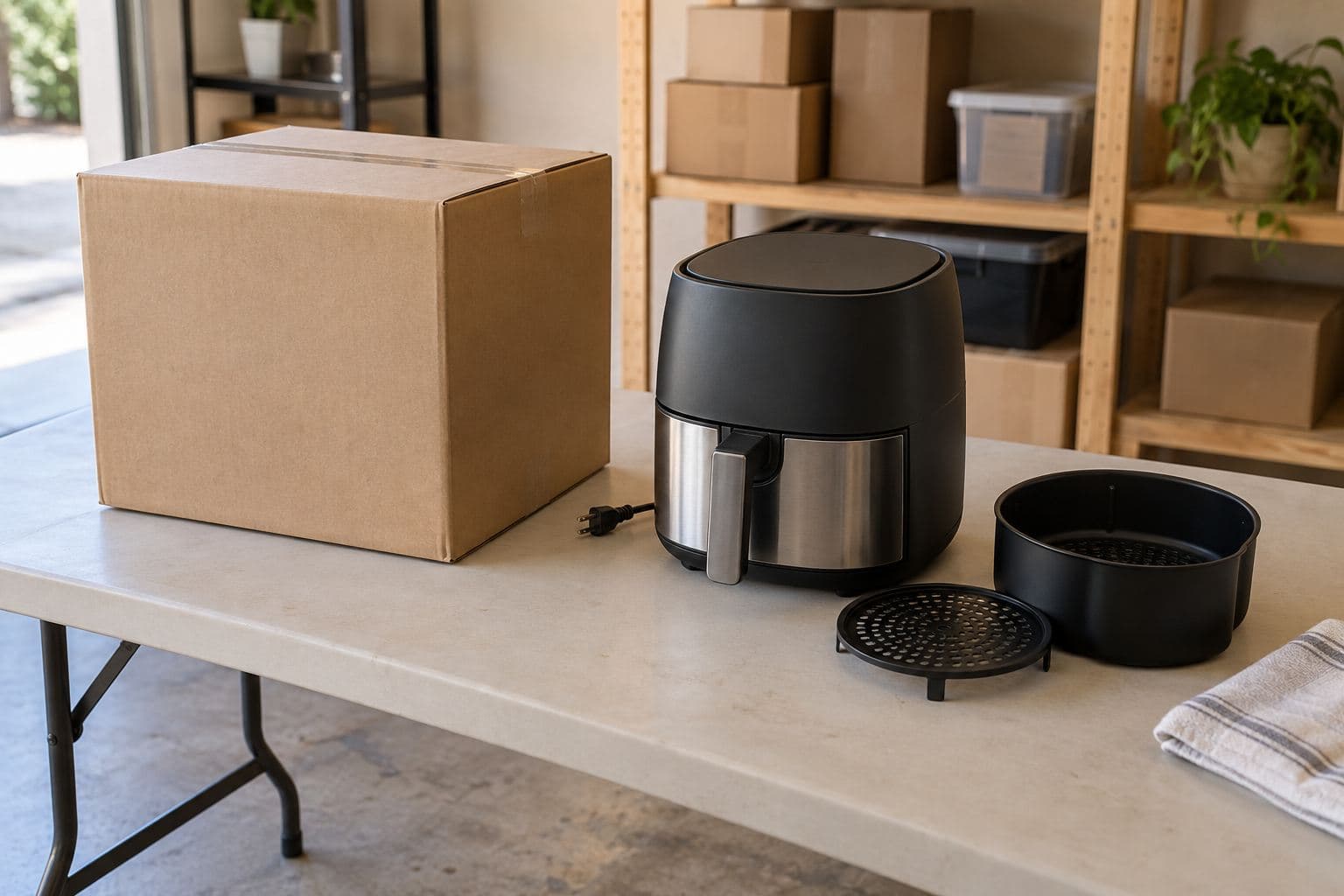
Read the resale limits before drafting your ads
#Amazon's contract bars Amazon references in resale advertising and requires removal of Amazon marks and customer labels. You must erase stored user data securely to the standards in section 4.5. If you supply another reseller, you must ensure that reseller offers the goods clearly marked used, even after repair. See sections 4.4 and 4.5.
In your ads, state the product's confirmed model, parts and condition. Keep customer names, addresses and order details off photos. Your contract's rules apply to resale ads; Amazon is named here to explain the buying route.
Section 7.1 requires destruction, not resale, of skin-applied, ingested or biohazard-contact goods with broken seals or signs of use or opening. Read that clause before sorting. Biohazard-contact goods include products that may touch infectious material. Keep opened personal-care goods out of resale stock, even after cleaning.
Only test what you can test safely. Don't test swollen or damaged batteries, damaged cords, gas appliances or recalled products. Check CPSC recalls and the maker's instructions. CPSC's reseller guidance explains recall duties. Use the inspection guide before listing, and describe a partial check as “Powers on; other functions untested.”
Plan for the claim deadline before delivery
#Sales are final. You bear the risk of loss once goods pass to the carrier. Section 5.4 gives five days after delivery for a written shortage or damage report. Approved losses must exceed 5% of listed retail total, excluding credited shortages. Payments apply that loss percentage to your winning bid. They may be account credit or a reduction of money you owe. Read section 5.
B-Stock's dispute table instead lists five business days for Amazon US. Ask for written clarification of the deadline before bidding, and report any problem as soon as you find it. The deadline for your purchase remains unresolved.
Have someone count and photograph the goods on arrival. Keep the delivery paper, wrapped-pallet photos and a list of missing or damaged items. Compare manifest copies to avoid counting a shortage already credited. Keep proof for both carrier damage and seller claims.
If you can't sort that much within the claim window, resolve that before bidding. These contract checks and safety notes are teaching material, not legal, tax or financial advice.
Keep results tied to the purchase route
#Record the supplier and pallet type for each purchase to compare buying routes. A notebook or spreadsheet works. PalletPro records each pallet's source and cost, and Analytics compares your own pallets by the supplier and pallet type you enter. Save contracts and claim evidence with your separate purchase files: see the app.
Sources
#- About Amazon liquidation auctions - Amazon Liquidation Auctions / B-Stock, no date shown (checked October 1, 2026).
- Amazon US buyer FAQ - Amazon Liquidation Auctions / B-Stock, no date shown (checked October 1, 2026).
- What is proxy bidding? - B-Stock, no date shown (checked October 1, 2026).
- FBA Liquidations program - Amazon Seller Forums, Amazon staff post, exact date not shown (checked October 1, 2026).
- Amazon US terms of purchase - Amazon.com Services, LLC, updated January 29, 2026 (checked October 1, 2026).
- Storefront terms page - Amazon Liquidation Auctions / B-Stock, dated September 3, 2020 (checked October 1, 2026).
- Payments update - B-Stock, no date shown (checked October 1, 2026).
- Product and packaging conditions - Amazon Liquidation Auctions / B-Stock, no date shown (checked October 1, 2026).
- Buying formats and payments - B-Stock, no date shown (checked October 1, 2026).
- Amazon shipping rules - Amazon Liquidation Auctions / B-Stock, no date shown (checked October 1, 2026).
- Dispute-policy table - B-Stock, no date shown (checked October 1, 2026).
- Recalls & product safety warnings - US Consumer Product Safety Commission, current database (checked October 1, 2026).
- Online sellers safety guide FAQs - US Consumer Product Safety Commission, no date shown (checked October 1, 2026).
Updated
More guides
- Buying at local liquidation auctions and bin stores
Compare local auctions, warehouse pallet sales, and bin stores. Check inspection rules, full costs, pickup plans, and bins as a selling outlet.
- Buying one liquidation pallet: suppliers and pickup
Learn how to buy one liquidation pallet, check the seller and contents, compare the full cost, and plan inspection, pickup or freight delivery.
- Online liquidation marketplaces: how buying works
Compare online auctions, fixed-price purchases and public surplus sales, then check buyer fees, condition, payment and pickup before buying.
- B-Stock liquidation auctions: bids, fees and terms
Learn how B-Stock bidding, buyer fees, payment and shipping work, and check the seller's condition rules and claim deadline before you commit.