
Reseller guide
Online liquidation marketplaces: how buying works
You can buy goods businesses are clearing through online auctions, stated-price sales or offers sent to a seller. An auction is a sale where buyers compete by offering prices, called bids. Some sites also list public surplus, property a public agency no longer needs. Before buying, check the seller, contents, full cost and pickup rules, even if you buy online and collect the goods yourself.

Choose a buying format, then read its terms
#Liquidation means goods a business is clearing: excess stock, customer returns (items customers sent back), or other goods it wants to dispose of. A liquidator sells cleared goods. A marketplace lists sales online; your seller may be a separate company.
As of October 2026, the cited buying routes and terms apply:
| Route | How you buy | What to check |
|---|---|---|
| Liquidation.com | Bid in an auction, or use Buy Now where offered | Buyer fee, payment deadline, shipping method and claim rules |
| An independent liquidator's website | Its buying page offers Buy Now and Make an Offer | Full purchase price, current agreement and delivery or pickup terms |
| HiBid | Bid in an auction run by an independent auction company | That company's fees, payment and pickup rules |
| GSA Auctions | Bid for federal property offered to the public | Inspection, condition, sale terms and removal arrangements |
| GovDeals | Buy listed goods and follow the paid-purchase release process | Seller contact, pickup instructions and removal deadline |
Liquidation.com's buyer FAQ explains auction buying. One liquidator's buying site describes stated-price and offer routes; check that buying flow, since an older auction guide may differ. Buy Now means buying at the stated price. Make an Offer means sending a price for the seller to review.
HiBid's bidder terms say the sale is between you and the seller; HiBid doesn't own or inspect the listed goods. An auctioneer is the person or company running the auction. Read that auctioneer's terms along with the platform terms.
For B-Stock's storefronts (seller sections of its site) and changing payment steps, read the B-Stock buying guide. If you need only one pallet, a flat base carrying goods, read single-pallet buying. More trade words are defined in the glossary.
Verify the seller and the goods' origin
#Note the seller's business name, contact details and goods' location. Match the bill's name to your agreed purchase. If a payment request names another business, ask why before paying.
Use contact details you find yourself to confirm payment instructions, especially changed bank details. The FTC's small-business scam guide explains fake invoices and attempts to pose as familiar companies. Get a written reply you can check later.
Ask how the seller got the goods and what its source claim means. A pallet advertised with a retailer's name needs evidence tied to that pallet. Check the supplier guide and, for Amazon-origin goods, the Amazon purchase-route guide.
GSA describes public sales of federal property, including office furniture and equipment. Check goods for the agency's past use. GSA urges inspection and makes no promise about item condition.
When inspecting a desk or chair, check joints, drawers, moving parts and size. If you can't visit, ask for close photos and damage notes. Check location and inspection access before bidding.
Check the buying unit and condition evidence
#A lot is the item or group sold in one sale. Ask whether its count means pallets, cartons or single pieces. A table in two boxes needs both to make one complete product.
A manifest is an item list for the lot. One liquidator's manifest help page describes fields such as counts, model numbers and notes on function. Unmanifested means no item list is supplied, so you can't check each item's condition from that list before purchase.
Read a condition grade, the seller's label for the state of the goods, with its definition. For an “Untested” label, ask what, if anything, was checked; whether the item works is still unknown. Ask if photos show the exact goods or samples. Samples show a product type while leaving your item's condition unknown.
Check for missing parts, several cartons per product and counts that differ between title and item list. The manifest and condition guide shows how to read those fields. A retail total refers to retail prices. Keep it apart from actual sale receipts.
Add fees before choosing a bid limit
#A buyer's premium is an auction fee added to the bid. The bid is your price for the goods before extra charges. Liquidation.com's user agreement says its fees vary and the premium is stated in the listing. Use that lot's rate; fees from other auctions may differ.
On HiBid, the auctioneer sets the premium, tax and other fees. Check the rate and the amount it applies to, plus card and per-lot charges, packing and help putting goods on your vehicle. Add them to see the full bill.
Freight means transport by a carrier, the company moving the goods. Made-up example: a $400 bid plus a 15% premium gives a $60 fee. Add $140 freight and the total is $600 before any other costs: $400 + $60 + $140 = $600. The 15% is chosen for this example, not quoted as a platform-wide rate.
Landed cost is the total you pay to get the purchase to your receiving place. Use the landed-cost guide and pallet profit calculator with your figures. Add tax and payment charges; budget for parts and selling costs, too.
A resale certificate is state tax paperwork for qualifying goods bought to resell. Ask how the seller handles it and which charges may still be taxed. Use the tax guide and your state's guidance for the details.
Confirm payment and release before committing
#Liquidation.com's FAQ says payment is due when the auction closes and must be received within two business days to avoid a penalty or cancellation. A business day usually excludes weekends and holidays. Before bidding, check payment methods and order steps so you can pay on time with funds you have.
For other sales, check the payment deadline, when funds count as cleared and when goods can leave. Keep the paid bill and release paper: release means the seller has approved pickup by you or your carrier.
GovDeals' buyer certificate is the document for pickup or delivery. After payment, seller details appear with it or in a separate release email. Check the instructions before booking a trip or carrier.
If pickup dates differ in the listing, email or bill, get a written answer and keep it with the lot number, the seller's ID for the group. Get pickup approval before sending a carrier.
Plan pickup even when bidding happens online
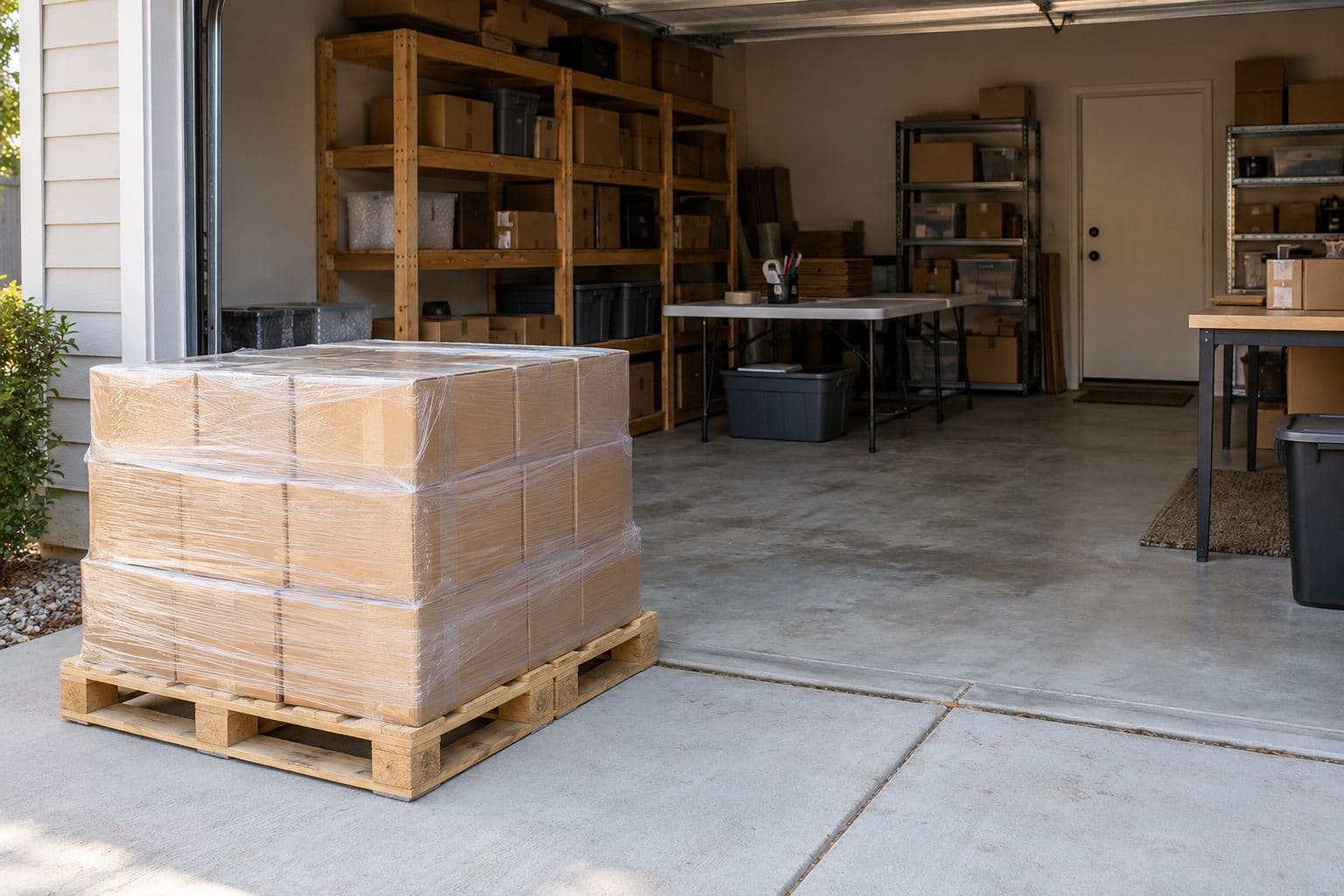
#HiBid's shipping guidance says availability and costs vary by seller. Some sales allow pickup only. For your lot, confirm shipping, who packs it and who books the carrier.
Its pickup guidance says auctioneers set their own collection schedules. Help and equipment may be unavailable, and missing the window can lead to fees or loss of the goods under the terms. Ask these questions before placing a bid:
- Where are the goods, and is an appointment required?
- What are the collection dates and hours?
- What ID, paid bill or release paper must you bring?
- Who puts the goods onto the vehicle, and is there a charge?
- What help, tools or vehicle must you supply?
Get packed size and weight. A liftgate is a truck platform that lowers goods to the ground; ask for it if needed. Check the quote covers your home address, appointment and needed services. The freight guide explains these questions, while the local auction guide covers collection in more detail.
Know when and how to report a problem
#Liquidation.com's receipt rules distinguish its arranged shipping from buyer-arranged transport. For its arranged shipping, the FAQ says to note problems on the bill of lading, the freight record, and file an online dispute within three business days of delivery. Yet one lot's terms give two business days for claims about a wrong listing description when Liquidity Services arranges shipping. Ask which terms apply to your order before bidding. For buyer-arranged transport, the FAQ says checks and complaints must happen before removal; claims afterward are barred by that guidance.
Plan inspection around those deadlines. Read the seller's contract and confirm your claim deadline and proof needed. Keep the listing, item list, paid bill, delivery paper and photos of goods and packing.
HiBid directs complaints and refund requests to the auctioneer. State which items are affected and how they differ from the description. Follow the claim steps and terms to find out whether a return is allowed.
Check resale limits before listing items
#Read the purchase contract for limits on sales channels, goods or use of retailer names in ads. Check that a branded item is authentic, meaning made by the brand or under its approval. eBay's counterfeit policy requires sellers to be certain their goods are genuine before listing them.
Only test what you can test safely. Don't test swollen or damaged batteries, damaged cords, gas appliances or recalled goods. Search CPSC recalls, and follow the notice and maker's instructions. CPSC's reseller safety guidance explains recall duties. Check used goods for dirt and pests. Keep opened or used personal-care goods out of your resale stock. The inspection guide helps you record what you actually checked. This guide is not legal, tax or financial advice.
Keep different buying routes clear in your records
#Record each pallet's source to compare your results across sellers and sites. A notebook or spreadsheet works. PalletPro records each pallet's source and cost, and Analytics compares your own pallets by the supplier and pallet type you enter. Keep contracts and pickup emails in your separate purchase files: see the app.
Sources
#- Buyer FAQ - Liquidation.com / Liquidity Services, no date shown (checked October 1, 2026).
- Current buying site - Direct Liquidation, no date shown (checked October 1, 2026).
- Bidder user terms - HiBid, no date shown (checked October 1, 2026).
- Scams and your small business: A guide for business - Federal Trade Commission, no page date shown (checked October 1, 2026).
- For citizens seeking surplus property - US General Services Administration, updated June 2, 2026 (checked October 1, 2026).
- How can I tell exactly what condition each item in an auction is in? - Direct Liquidation, updated April 27, 2023 (checked October 1, 2026).
- Liquidation.com user agreement - Liquidation.com / Liquidity Services, effective October 18, 2014; no later update date shown (checked October 1, 2026).
- Resolving issues with an auctioneer - HiBid, July 21, 2026 (checked October 1, 2026).
- Access your buyer certificate - GovDeals, December 7, 2023 (checked October 1, 2026).
- Shipping information - HiBid, August 5, 2025 (checked October 1, 2026).
- Pickup instructions - HiBid, August 5, 2025 (checked October 1, 2026).
- Counterfeit policy - eBay, no date shown (checked October 1, 2026).
- Recalls & product safety warnings - US Consumer Product Safety Commission, current database (checked October 1, 2026).
- Online sellers safety guide FAQs - US Consumer Product Safety Commission, no date shown (checked October 1, 2026).
- Auction terms for a general merchandise pallet - Liquidation.com / Liquidity Services, lot 21473537, close date shown September 21, 2026 (checked October 1, 2026).
Updated
More guides
- B-Stock liquidation auctions: bids, fees and terms
Learn how B-Stock bidding, buyer fees, payment and shipping work, and check the seller's condition rules and claim deadline before you commit.
- Buying Amazon liquidation truckloads
Understand Amazon's bulk buying routes, buyer approval, freight rules and resale limits before you commit to a liquidation pallet or truckload.
- Buying at local liquidation auctions and bin stores
Compare local auctions, warehouse pallet sales, and bin stores. Check inspection rules, full costs, pickup plans, and bins as a selling outlet.
- Buying one liquidation pallet: suppliers and pickup
Learn how to buy one liquidation pallet, check the seller and contents, compare the full cost, and plan inspection, pickup or freight delivery.