
Reseller guide
Walmart medium truckloads: size and condition
Walmart medium truckloads use a seller's size label. Current examples cover new overstock, small-appliance returns and store returns. Overstock is excess stock; returns are goods buyers sent back. Before buying, ask about source, condition, sizes and freight (shipping by truck).
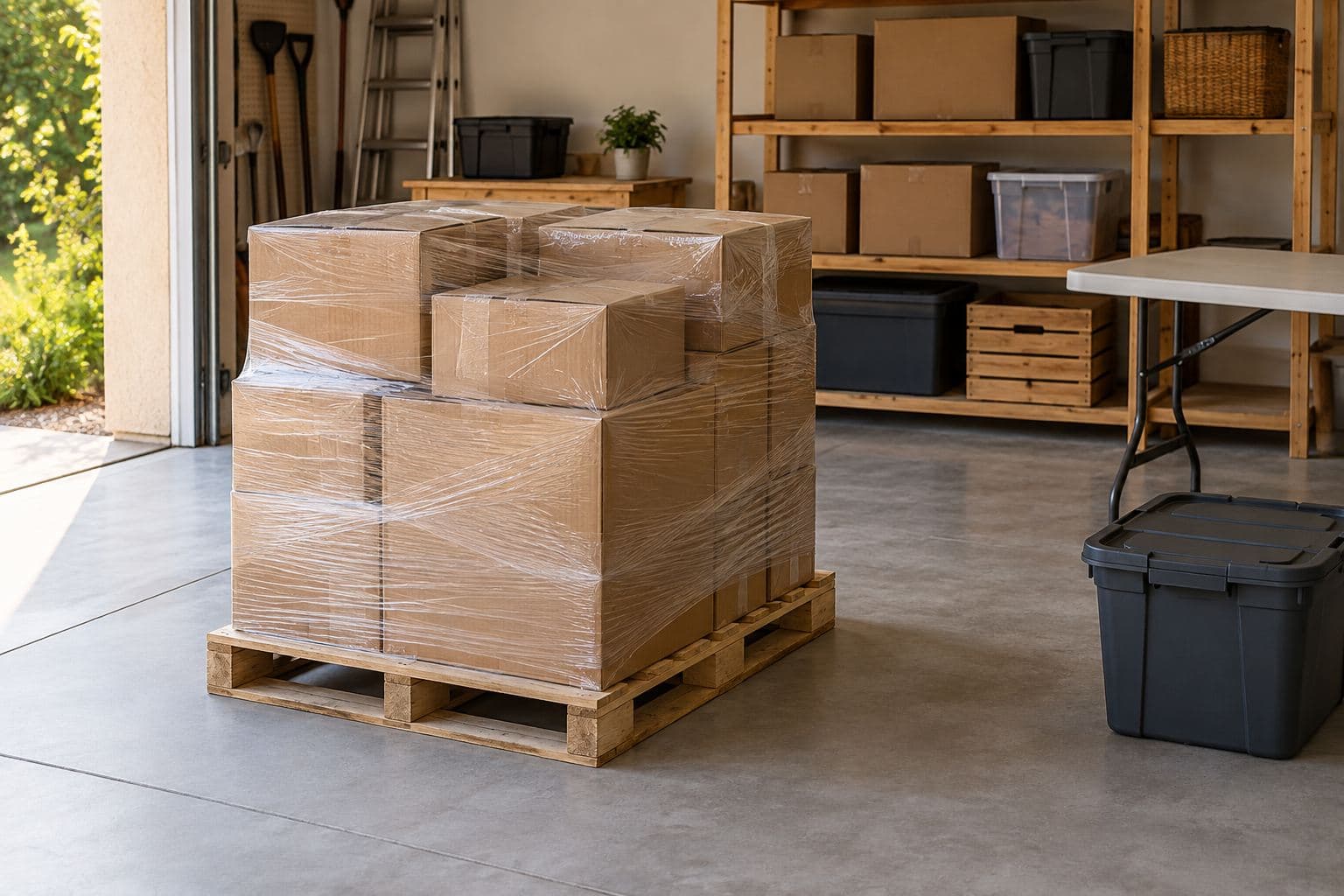
What Walmart mediums means in the checked programs
#As of October 2026, one supplier's Walmart catalog uses Mediums for these three offers. The pages are undated:
| Advertised program | Quoted type and condition fields | Shipment advertised |
|---|---|---|
| Walmart Overstock Truckload | “Mediums”; “New” | 24 pallets, Arkansas |
| Walmart Small Appliance Truckload | “Mediums”; “Returns” | 24 pallets, Arkansas |
| Walmart Store Returns Truckload | “Mediums”; “Returns” | 24 pallets, Texas |
These pages give no Walmart-wide definition, shared item-size cutoff or standard sellable-unit count. Check your offer's height and count instead of using another program's figures.
The official auction FAQ calls stock “Walmart.com customer returns, unless stated otherwise” and offers it as-is: in its stated condition under the sale terms. It gives no universal Mediums size class. Keep online returns separate from the private supplier's new-overstock offer.
See Walmart liquidation pallets and truckloads for sources and formats beyond mediums, or the glossary for trade words.
What the advertised assortments include
#The small-appliance program lists kitchen appliances, floor-care tools, heating and cooling products, and personal-care devices. These are uninspected, mixed-condition customer returns sold as-is, with sample photos. Mixed condition means units can be in different states. Plan tools for these product types, then check each appliance's function.
The store-return program combines returns without sorting by department: household goods, furniture, toys, sporting goods, electronics, seasonal goods and clothing may arrive. It's a different mix under Mediums. Get a manifest, a list of shipment goods and counts, beyond these possible product types.
Check packaging and condition on their own. A clean box can hold a used appliance; a damaged box can hold an intact item. Check what's there and what works before writing a listing. The manifest and condition-grade guide explains those fields.
Questions to ask before you bid
#Get the full program name and description on the quote. “Walmart Mediums” leaves these questions open:
- Is it new overstock, store returns, online returns or a stated mix?
- Has it been sorted by product type? Which types are excluded?
- What floor space, heights and weights do the pallets have? Are any cartons loose or oversized?
- Does the count mean cartons, single units, sets or parts?
- Is there a manifest for this shipment? Which model and condition details does it give?
- Were goods removed, sorted or tested? What written records show that work?
- Which warehouse ships them? Who bills you for goods and freight?
- What costs and dispute exclusions apply to missing parts, transit damage and items that don't work?
Walmart's official auction FAQ currently bars checks before bidding, allows stock photos of samples and excludes damaged goods from order claims. Check your terms before seeking payment based on delivery photos; a middle seller's contract can differ.
Ask which resale rules affect where you plan to sell. Check tax and accepted resale-certificate paperwork; this tax document is used for buying goods to resell. A retailer name proves neither seller approval nor your advertising rights. This guide is not legal, tax or financial advice.
What to check on arrival
#Walmart's auction shipping guidance asks for photos of truck contents and received pallets, a signed bill of lading (the freight delivery record) with mismatches noted, and a list of missing manifest items. Follow your purchase's evidence rules and deadlines. See the pallet unload checklist.
Keep pallet-count and item-count mismatches separate. Photograph crushed cartons and broken wrapping before moving them, where safe. Note the delivery condition without guessing what caused damage.
As you unpack, match models to the manifest and goods to the carton. Record missing bowls, lids, filters, hoses, chargers or assembly hardware as needed. Count a matched set only when all promised parts are there. Keep loose pieces together until you know which item they belong to.
For new overstock, check each item and its packaging against the claim. Keep the seller's promise and your findings in separate columns for later listings.
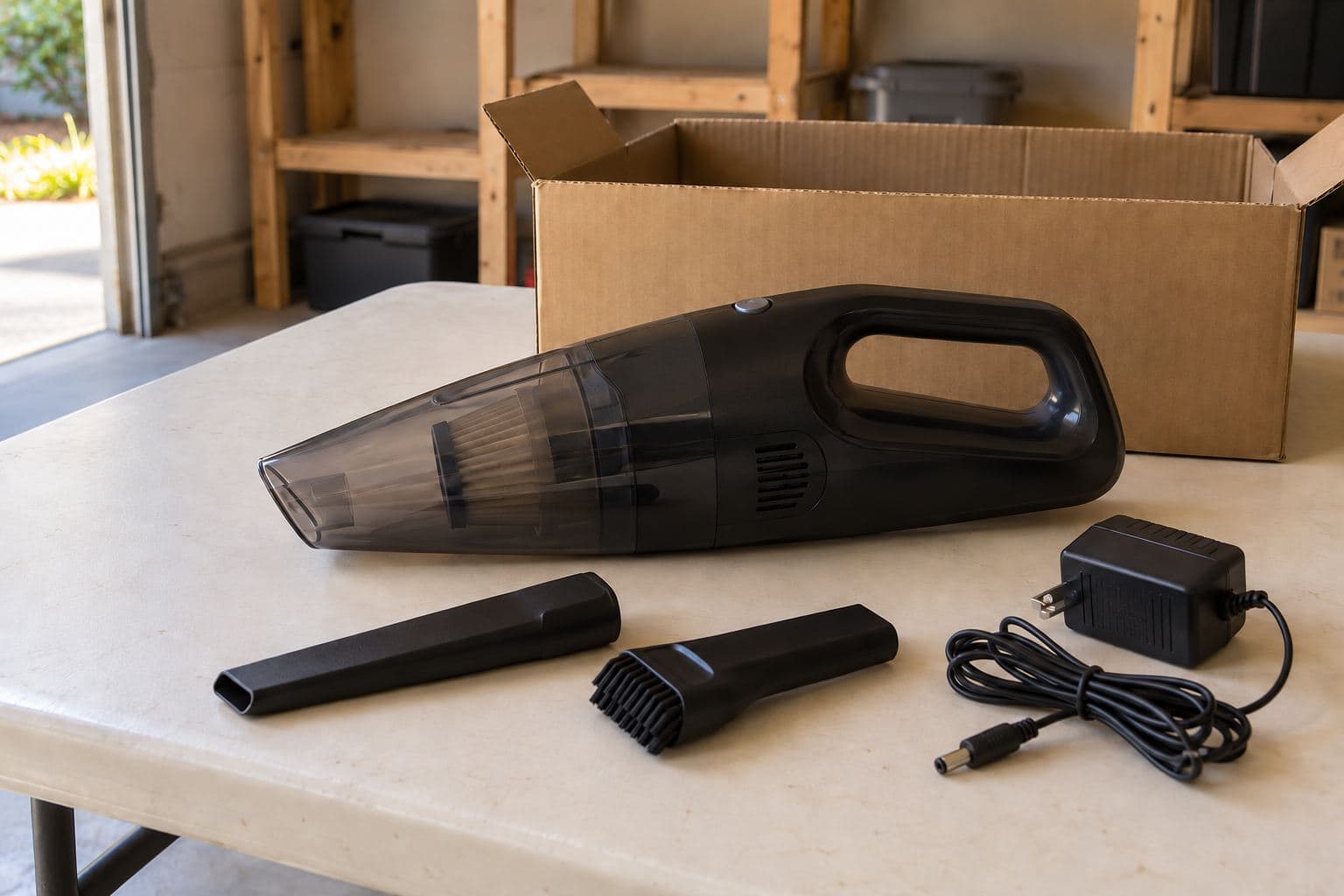
What to test first
#Only test what you can test safely. Look up the model in CPSC's recalls search and consult the maker before a function test. Don't test recalled products, swollen or damaged batteries, damaged cords or gas appliances. CPSC bars resale of recalled goods until the stated fix is done.
Check appliance parts before plugging in. Compare them with the maker's instructions, inspect parts you can reach and resolve mismatched parts or safety damage first. Don't open electrical housings or repair beyond your skills. Set unresolved goods aside for a qualified check.
Plan how you'll clean used surfaces and parts you can remove. Follow the maker's cleaning steps, and keep contaminated goods away from stock waiting for photos. Leave an item out of the sellable count until you can confirm suitable cleaning and safe use.
Record functions checked and their limits. “Powers on; other functions untested” is a partial check, not a full working test. Use the inspection and testing guide for each unit and, where needed, the electronics guide for account release, stored data and battery shipping. Mediums need those checks too.
Space, handling and moving it
#The official Walmart auction shipping policy currently requires a dock or forklift for full truckloads. Liftgates, platforms that lower freight to the ground, aren't available. Drivers aren't responsible for unloading. Wrong addresses, missed deliveries and extra services can bring charges. These are official auction terms; get a separate written receiving agreement with a middle seller.
Before paying, check trailer approach, entrance clearance, unloading surface and pallet weights with the carrier. Arrange tools and access that fit the shipment, even for a garage. These photos show sorting space, not a full-truckload delivery setup.
Leave room to check and clean goods, store incomplete sets and stage items ready to list. Parts and open cartons need space beyond the wrapped pallets. OSHA's warehouse guidance calls for stable storage and clear aisles. Keep packing waste and unsorted stock out of the handling path. See receiving and storing liquidation inventory for layout planning.
How the cost works
#Made-up example: goods cost $6,000, freight costs $2,000 and checks leave 400 sellable units. These figures only show the sums.
| Calculation | Arithmetic | Result |
|---|---|---|
| Buying and freight total | $6,000 + $2,000 | $8,000 |
| Cost assigned to each sellable unit | $8,000 ÷ 400 | $20 |
| Total with $2,000 of other included costs | $8,000 + $2,000 | $10,000 |
| Average money per unit to break even if all 400 sell | $10,000 ÷ 400 | $25 |
Break even means sales cover the costs you've included. With 200 sellable units, the same buying total assigns $40 to each. Neither count is an expected Walmart mediums result. Include actual tax, prep, selling costs and disposal. Unsold stock changes the money available to cover costs. Use the pallet profit calculator and the landed-cost guide for buying costs. Landed cost means the total cost to buy goods and get them to you.
Keeping preparation expenses with the purchase
#Filters, cleaning supplies and other prep costs can belong to different purchases that share a retailer name. A notebook or spreadsheet works for keeping them separate. On paid tiers, PalletPro lets you record expenses and link them to pallets; enter each cost against the purchase it belongs to. See the app
How this guide was written
#Compiled from the public sources listed below. Checked on October 1, 2026. Seller pages show advertised labels and specs; they give no shared grade or inspected result. PalletPro doesn't sell pallets and isn't affiliated with any retailer, liquidator or marketplace named.
Sources
#- Walmart liquidation truckloads and pallets - Southern Liquidation, date not shown (checked October 1, 2026).
- Walmart Overstock Truckload - Southern Liquidation, date not shown (checked October 1, 2026).
- Walmart Small Appliance Truckload - Southern Liquidation, date not shown (checked October 1, 2026).
- Walmart Store Returns Truckload - Southern Liquidation, date not shown (checked October 1, 2026).
- Walmart liquidation auctions FAQ - Walmart Liquidation Auctions / B-Stock, date not shown (checked October 1, 2026).
- Walmart auction shipping policies - Walmart Liquidation Auctions / B-Stock, date not shown (checked October 1, 2026).
- Recalls and product safety warnings - CPSC (checked October 1, 2026).
- For buying and selling products online - CPSC, date not shown (checked October 1, 2026).
- Warehousing hazards and solutions - OSHA, date not shown (checked October 1, 2026).
Updated
More guides
- 3PL liquidation pallets: ownership and buying checks
Check who owns 3PL liquidation stock, who can release it, what the manifest counts, and which warehouse and freight charges apply before buying.
- Amazon high-piece-count truckloads: counting and sorting
Understand Amazon high-piece-count descriptions, verify resale-unit counts, screen small products, and plan sorting, storage and selling expenses.
- Amazon LPN pallets: what to check before buying and selling
Read Amazon LPN pallet descriptions, inspect each item, keep accessories separate, and check buyer-contract restrictions before preparing your resale ads.
- Amazon medium truckloads: what the label means
Compare Amazon medium truckloads by the seller's definition, condition, count and freight terms, then plan space for receiving and testing the goods.